PLATTER & PLINTH

Essential Indie Records on Vinyl

For a collection that does not stop in 1979. Nine records from 1997 to 2020 that are currently pressed rather than reissued — which makes them a fundamentally different purchase from everything else in this hub.

By Stephen V.Last updated How we pick

Every other list in this hub is about reissues — records made decades ago and pressed again now, where the interesting question is what happened to the master in between. This page is different, and the difference is worth understanding before you buy.

These albums were released into a world that already expected a vinyl edition. The masters are recent, the labels still exist and still control them, and the pressings are current production rather than catalog exhumations. That removes the entire provenance problem: there is no lost tape, no fourth-generation copy, no question about which master got used.

It introduces a different one. Modern records are mastered for streaming first, and vinyl usually inherits that. Contemporary masters are often compressed to be loud on a phone, and while a cutting engineer can dial some of that back, they cannot restore dynamic range that was removed upstream. So the useful ranking axis here is not provenance — it is which of these records still has room to breathe.

OK Computer tops the list on exactly that basis: it is the most dynamically ambitious record here by a distance, and it is the best thing on this site for showing someone who only knows streaming what the fuss is about.

How this is funded:we earn a commission if you buy through our links, at no extra cost to you. It never changes which product we recommend, and we’ll tell you plainly when to skip one. Full disclosure.

Quick picks

Ordered for someone building from nothing, on availability, price and what each record reveals about a system. No listening claims — we have not heard these pressings; here is exactly what we do instead.

#ProductBest forPrice
1
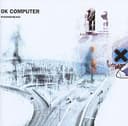
Radiohead OK Computer

Radiohead OK Computer

1997, and the most dynamically ambitious record in this group — it moves from near-silence to full band repeatedly, which is exactly the behavior compressed streaming masters flatten and a good vinyl cut does not. If you want one modern record to demonstrate why dynamic range matters, this is it.

Best dynamics demonstration
$43.14 · View on Amazon

Price as of September 7, 2026. #ad How we’re funded

2
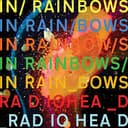
Radiohead In Rainbows

Radiohead In Rainbows

2007, and the warmer, more approachable Radiohead record — shorter, more melodic, and a single LP rather than a double. For most people building a first collection it is the better buy of the two, and it is meaningfully cheaper.

Best value of the two Radioheads
$33.66 · View on Amazon

$38.9914% off

Price as of September 7, 2026. #ad How we’re funded

3
The Strokes Is This It

The Strokes Is This It

2001, eleven tracks, thirty-six minutes, and deliberately recorded to sound small and compressed. That makes it an honest inclusion rather than an audiophile one: it is a great record that will never sound spacious, and knowing which of your records are like that is part of learning to judge a system.

Cheapest canonical pick
$22.32 · View on Amazon

Price as of September 7, 2026. #ad How we’re funded

4
Bon Iver For Emma, Forever Ago

Bon Iver For Emma, Forever Ago

A sparse 2007 record made largely of voice and one guitar, recorded rough on purpose. Sparse records are the honest ones for evaluating a turntable: with nothing to hide behind, mistracking, hum and speed instability all become obvious immediately.

Best fault-finder
$23.98 · View on Amazon

Price as of September 7, 2026. #ad How we’re funded

5
Arcade Fire Funeral

Arcade Fire Funeral

2004, and the most orchestrally busy record here — strings, accordion, multiple vocalists, everything building at once. It is a good stress test for a system's ability to keep things separate when a lot is happening, and it is one of the cheaper indie picks.

Best separation test
$21.99 · View on Amazon

Price as of September 7, 2026. #ad How we’re funded

6
Phoebe Bridgers Punisher

Phoebe Bridgers Punisher

2020, and the most recent record on this list — quiet, detailed, and produced with a lot of deliberate space around the voice. It is the pick for someone whose collection should not stop in 1979, and it is priced with the standard reissues rather than as a new-release premium.

Best modern record
$24.98 · View on Amazon

Price as of September 7, 2026. #ad How we’re funded

7
Fleet Foxes Fleet Foxes

Fleet Foxes Fleet Foxes

A 2008 debut built almost entirely on stacked vocal harmony, recorded with a lot of natural reverb. Multi-part harmony is genuinely difficult to reproduce — voices smear together on a poor setup and stay separate on a good one — which makes this a more useful evaluation record than its gentle surface suggests.

Best harmony test
$29.98 · View on Amazon

Price as of September 7, 2026. #ad How we’re funded

8
Sufjan Stevens Illinois

Sufjan Stevens Illinois

A 2005 album with a large cast of acoustic instruments — banjo, horns, strings, choir — arranged intricately and recorded fairly dry. It is the busiest acoustic record in this set, and the one where you will most clearly hear the difference a properly aligned cartridge makes to instrumental texture.

Most instrumental variety
$32.29 · View on Amazon

Price as of September 7, 2026. #ad How we’re funded

9
Beach House Teen Dream

Beach House Teen Dream

2010, and the most texture-driven record here — slow, reverberant, built from organ, slide guitar and voice rather than from riffs. It is the album to put on when you want the system to disappear, and it is one of the more forgiving records on a modest setup because nothing in it is sharp.

Most forgiving on modest gear
$25.49 · View on Amazon

Price as of September 7, 2026. #ad How we’re funded

The picks in full

#1Best dynamics demonstration

Radiohead OK Computer

1997, and the most dynamically ambitious record in this group — it moves from near-silence to full band repeatedly, which is exactly the behavior compressed streaming masters flatten and a good vinyl cut does not. If you want one modern record to demonstrate why dynamic range matters, this is it.

Strengths

  • Huge swings between quiet and loud — the clearest dynamics demo here
  • XL has kept the catalog in print with consistent pressings
  • Sequenced as an album; the side breaks land where they should

Trade-offs

  • The most expensive indie pick here
  • A double LP, so more flipping and more shelf space
  • No mastering credit or weight stated on the listing
ArtistRadiohead
Edition (per listing)Standard vinyl issue
LabelXL Recordings
FormatVinyl LP
Stated weightNot published
Listing verified2026-09-07, live Creators API

Specifications read from the manufacturer / product listing, on September 7, 2026. “Not published” means the maker does not state that figure.

#2Best value of the two Radioheads

Radiohead In Rainbows

2007, and the warmer, more approachable Radiohead record — shorter, more melodic, and a single LP rather than a double. For most people building a first collection it is the better buy of the two, and it is meaningfully cheaper.

Strengths

  • Single LP at a lower price than OK Computer
  • Warmer and more immediately melodic — an easier first listen
  • Consistently in print through XL

Trade-offs

  • Less dynamically dramatic than OK Computer, so a weaker demo record
  • No published weight or mastering source
  • Short album by comparison
ArtistRadiohead
Edition (per listing)Standard vinyl issue
LabelXL Recordings
FormatVinyl LP
Stated weightNot published
Listing verified2026-09-07, live Creators API

Specifications read from the manufacturer / product listing, on September 7, 2026. “Not published” means the maker does not state that figure.

#3Cheapest canonical pick

The Strokes Is This It

2001, eleven tracks, thirty-six minutes, and deliberately recorded to sound small and compressed. That makes it an honest inclusion rather than an audiophile one: it is a great record that will never sound spacious, and knowing which of your records are like that is part of learning to judge a system.

Strengths

  • Among the cheapest canonical indie titles currently in print
  • Short and consistent — an easy record to play end to end
  • Long-running catalog listing rather than a limited run

Trade-offs

  • Deliberately compressed and small-sounding; it will not showcase anything
  • No stated weight or mastering credit
  • The US and UK track listings differ historically — check what you are buying
ArtistThe Strokes
Edition (per listing)Standard vinyl issue
LabelLegacy Recordings
FormatVinyl LP
Stated weightNot published
Listing verified2026-09-07, live Creators API

Specifications read from the manufacturer / product listing, on September 7, 2026. “Not published” means the maker does not state that figure.

#4Best fault-finder

Bon Iver For Emma, Forever Ago

A sparse 2007 record made largely of voice and one guitar, recorded rough on purpose. Sparse records are the honest ones for evaluating a turntable: with nothing to hide behind, mistracking, hum and speed instability all become obvious immediately.

Strengths

  • Almost nothing in the mix, so setup faults have nowhere to hide
  • Sustained voice and guitar make wow and flutter easier to notice
  • Jagjaguwar has kept it in print at a sensible price

Trade-offs

  • Deliberately lo-fi source — do not blame the pressing for the roughness
  • Quiet and slow; not a record for a room full of people
  • No stated weight or mastering source
ArtistBon Iver
Edition (per listing)Standard vinyl issue
LabelJagjaguwar
FormatVinyl LP
Stated weightNot published
Listing verified2026-09-07, live Creators API

Note. Sustained solo voice is the easiest way to hear speed instability. If it wavers on this record, suspect the belt or the motor before the cartridge.

Specifications read from the manufacturer / product listing, on September 7, 2026. “Not published” means the maker does not state that figure.

#5Best separation test

Arcade Fire Funeral

2004, and the most orchestrally busy record here — strings, accordion, multiple vocalists, everything building at once. It is a good stress test for a system's ability to keep things separate when a lot is happening, and it is one of the cheaper indie picks.

Strengths

  • Dense, layered arrangements that reward a system with good separation
  • One of the cheaper canonical indie records in print
  • Builds and swells give it real dynamic movement

Trade-offs

  • Can sound cluttered on a modest setup — that is the test, but it is not flattering
  • No published weight or mastering chain
  • Later pressings vary and the listing does not identify which this is
ArtistArcade Fire
Edition (per listing)Standard vinyl issue
LabelLegacy Recordings
FormatVinyl LP
Stated weightNot published
Listing verified2026-09-07, live Creators API

Specifications read from the manufacturer / product listing, on September 7, 2026. “Not published” means the maker does not state that figure.

#6Best modern record

Phoebe Bridgers Punisher

2020, and the most recent record on this list — quiet, detailed, and produced with a lot of deliberate space around the voice. It is the pick for someone whose collection should not stop in 1979, and it is priced with the standard reissues rather than as a new-release premium.

Strengths

  • Modern production with genuine space rather than streaming-loud compression
  • Priced with catalog reissues rather than at new-release money
  • Dead Oceans has kept it in print continuously since release

Trade-offs

  • Quiet and slow-moving — not a record that fills a room
  • No published weight or mastering credit
  • Numerous colored variants exist; this listing is the standard issue
ArtistPhoebe Bridgers
Edition (per listing)Standard vinyl issue
LabelDead Oceans
FormatVinyl LP
Stated weightNot published
Listing verified2026-09-07, live Creators API

Specifications read from the manufacturer / product listing, on September 7, 2026. “Not published” means the maker does not state that figure.

#7Best harmony test

Fleet Foxes Fleet Foxes

A 2008 debut built almost entirely on stacked vocal harmony, recorded with a lot of natural reverb. Multi-part harmony is genuinely difficult to reproduce — voices smear together on a poor setup and stay separate on a good one — which makes this a more useful evaluation record than its gentle surface suggests.

Strengths

  • Layered harmony is a real test of a system's ability to separate similar voices
  • Reverb-heavy recording carries obvious spatial information
  • Sub Pop catalog issue at standard reissue money

Trade-offs

  • Gentle throughout; no dynamic drama to speak of
  • No published vinyl weight or mastering chain
  • The heavy reverb divides listeners
ArtistFleet Foxes
Edition (per listing)Standard vinyl issue
LabelSub Pop
FormatVinyl LP
Stated weightNot published
Listing verified2026-09-07, live Creators API

Specifications read from the manufacturer / product listing, on September 7, 2026. “Not published” means the maker does not state that figure.

#8Most instrumental variety

Sufjan Stevens Illinois

A 2005 album with a large cast of acoustic instruments — banjo, horns, strings, choir — arranged intricately and recorded fairly dry. It is the busiest acoustic record in this set, and the one where you will most clearly hear the difference a properly aligned cartridge makes to instrumental texture.

Strengths

  • Wide range of acoustic timbres in a single record
  • Dry recording, so what you hear is the instruments rather than a room effect
  • Long album, generously filled — good value per side

Trade-offs

  • A multi-LP set, so it costs more and takes more shelf
  • Intricate arrangements can sound cluttered on a modest system
  • No published weight or mastering source
ArtistSufjan Stevens
Edition (per listing)Standard vinyl issue
LabelAsthmatic Kitty
FormatVinyl LP
Stated weightNot published
Listing verified2026-09-07, live Creators API

Specifications read from the manufacturer / product listing, on September 7, 2026. “Not published” means the maker does not state that figure.

#9Most forgiving on modest gear

Beach House Teen Dream

2010, and the most texture-driven record here — slow, reverberant, built from organ, slide guitar and voice rather than from riffs. It is the album to put on when you want the system to disappear, and it is one of the more forgiving records on a modest setup because nothing in it is sharp.

Strengths

  • Forgiving on inexpensive gear — nothing in the mix is harsh
  • Strong sense of space without needing an expensive setup to hear it
  • Sub Pop has kept it continuously in print

Trade-offs

  • Slow and uniform in mood; not much dynamic variety
  • No published weight or mastering credit
  • Reverb-heavy production hides detail rather than revealing it
ArtistBeach House
Edition (per listing)Standard vinyl issue
LabelSub Pop
FormatVinyl LP
Stated weightNot published
Listing verified2026-09-07, live Creators API

Specifications read from the manufacturer / product listing, on September 7, 2026. “Not published” means the maker does not state that figure.

Loudness, and why some of these have more to give

The single most useful thing to understand about buying modern records is what happened to mastering over the period these albums cover.

Through the 2000s, records were increasingly mastered loud — dynamic range compressed so the average level sits close to the maximum. It makes a track jump out of a playlist and it flattens the distance between quiet and loud. Vinyl imposes real physical limits that discourage the worst of it, and a cutting engineer often works from a different master, but a vinyl edition cannot restore dynamics that were removed before it.

Practically, that splits this page in two:

  • Records with real dynamic range. OK Computer, Illinois, Funeral and Punisher all move substantially between quiet and loud. These are the ones that demonstrate what a good system does.
  • Records that are small by design. Is This It was deliberately recorded to sound compressed and lo-fi, and For Emma, Forever Ago was recorded rough on purpose. They are excellent albums that will never sound spacious, and knowing which of your records are like that is part of learning to judge a system rather than blaming it.

This is also the honest answer to “does vinyl sound better than streaming”. For a modern record, often the difference you hear is the master, not the medium. The deeper version of that argument is in hi-res audio vs hi-fi.

What each record tests

These nine were chosen partly so they do not overlap. Between them they cover most of what can go wrong.

  • Speed stability — For Emma, Forever Ago. Sustained solo voice over one guitar is the most exposing material for wow and flutter, which is audible as a faint seasickness in sustained pitch. If you hear it here and nowhere else, suspect the belt or the motor. Drive types and what they change covers why.
  • Separation — Funeral. Strings, accordion, multiple vocalists and drums all building at once. A system with poor separation turns that into a wall; a good one keeps the parts distinct.
  • Similar-voice resolution — Fleet Foxes. Stacked harmony is genuinely difficult, because the voices occupy the same range and blend or smear depending on the setup.
  • Timbre — Illinois. Banjo, horns, strings, choir and piano recorded fairly dry, so you hear the instruments rather than a room. A well-aligned cartridge makes an obvious difference on material like this.
  • Forgiveness — Teen Dream. The opposite test. Slow, reverberant and nothing harsh anywhere in it, so it sounds good on inexpensive equipment. Useful for establishing that a system is not broken when other records sound rough.

Colored variants, and when to skip them

Indie is the genre where you will meet colored vinyl constantly. Most of these albums exist in several variants — label editions, retailer exclusives, anniversary colors — and the picks above are the standard black issues.

The short version of the argument: solid opaque colored vinyl is a small, arguable difference that most people cannot reliably identify, while picture discs are genuinely compromised because the printed layer sits under the playing surface. Splatter and multi-color pours sit in between and vary by plant.

The practical rule for this genre is about supply rather than sound: a colored variant is usually a limited run, which means if it sells out your only options are the standard black edition or the second-hand market at a markup. Buy the color if you want the object; buy black if you want the record. The full comparison is here.

Buying new releases well

Modern records are the one part of this hub where buying on release day is sometimes the right move, and it is worth knowing why.

  1. Initial pressings are the largest. For a current artist the first run is sized to demand. After that a record either gets repressed or becomes a second-hand proposition at a higher price.
  2. Repressings are common for catalog-worthy albums. Everything on this page has been kept in print by its label — Sub Pop, XL, Jagjaguwar, Dead Oceans and Asthmatic Kitty all maintain their catalogs — which is exactly why these nine and not others.
  3. Ignore the hype-sticker language.“Limited”, “exclusive” and “deluxe” describe scarcity and packaging, not audio. None of the listings here publishes a mastering engineer, and neither do the expensive variants.

Where the modern shelf meets the rest

The mistake with a modern-leaning collection is treating it as separate from the reissue shelf. It is not, and the records above make the connections themselves: the acoustic detail on Illinois asks the same things of a cartridge as the jazz records, and the quiet-recording discipline behind Punisher is the same one that makes Al Green such a good test of a noise floor. If you want the shortest possible cross-genre start, that is what the first ten records is.
Frequently asked questions

What indie album should I buy on vinyl first?

In Rainbows if you want the best balance of price and quality — it is a single LP, meaningfully cheaper than OK Computer, and immediately melodic. Buy OK Computer instead if your goal is to demonstrate to someone what a proper system does, because it is the most dynamically ambitious record here and it moves between near-silence and full band repeatedly, which is exactly what compressed streaming masters flatten.

Do modern records sound worse on vinyl than older ones?

Not inherently, but many modern albums are mastered loud for streaming and the vinyl edition often inherits some of that. A cutting engineer can dial back the worst of it and vinyl's physical limits discourage extremes, but no vinyl edition can restore dynamic range that was compressed out before it. That is why this page separates the records with genuine dynamics from the ones that are small and compressed by design.

Is it worth buying vinyl of an album I already stream?

It depends on the record rather than the format. For an album with real dynamic range, the vinyl edition is frequently cut from a different, less compressed master, and that difference is audible. For an album that was deliberately recorded compressed and lo-fi — Is This It is the clearest example here — you are buying the object and the ritual, not a sonic upgrade. Both are legitimate reasons; they are just different ones.

Should I buy colored vinyl variants of indie records?

Buy the color if you want the object and black if you want the record. Solid opaque colored vinyl is a small and arguable difference that most listeners cannot reliably identify; picture discs are genuinely compromised because the printed layer sits beneath the playing surface. The bigger practical issue in indie is supply — colored variants are usually limited runs, so if one sells out your options are the standard edition or the second-hand market at a markup.

What does 'limited edition' actually mean on a record?

That the pressing run has a fixed size, and nothing about how it sounds. Limited, exclusive and deluxe are scarcity and packaging terms. None of the listings on this page publishes a mastering engineer or source, and the expensive variants do not either — so paying more for a limited variant is buying the object, the color or the sleeve rather than a better cut of the audio.

Why does a sparse acoustic record sound wobbly on my turntable?

That is wow and flutter — small variations in platter speed — and sparse recordings expose it because a sustained solo voice or guitar note gives you a continuous pitch to hear it against. Dense music masks it. If it is audible on a record like For Emma, Forever Ago but not on louder material, check the belt for wear or stretch first, then the motor, before suspecting the cartridge.

Sources

Keep reading