Vinyl Setup & Guides
How to set up a turntable, get the tracking force right, clean your records, and decide whether spending more is actually worth it.
Buying the gear is half of vinyl; the other half is setting it up and looking after it. A turntable is a precision instrument — a diamond tracing a groove a fraction of a millimeter wide — and small adjustments make a surprisingly large difference to both how it sounds and how long your records last. The good news is that none of it is hard once someone shows you the order to do things in.
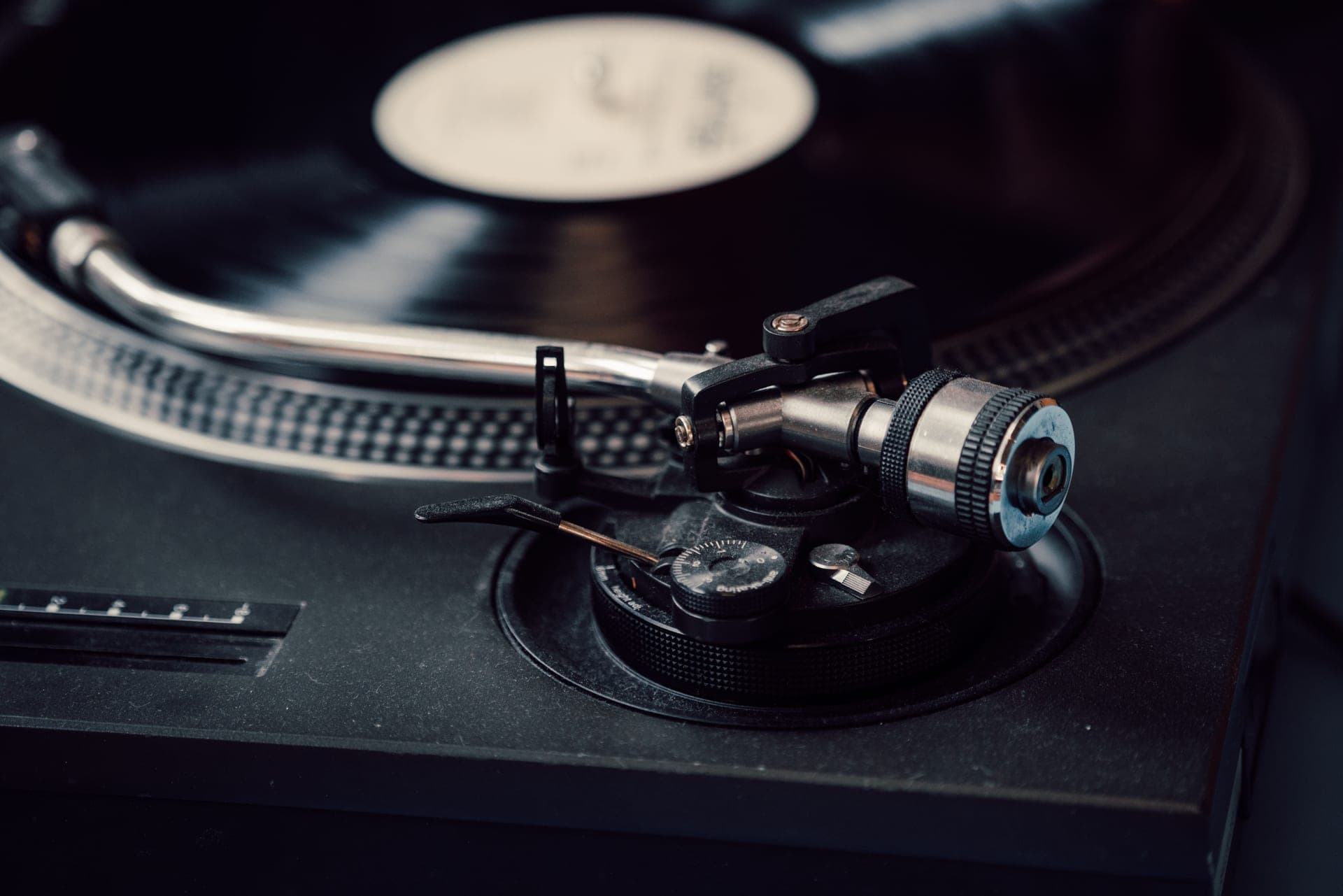
Start with how to set up a turntable. It’s the cornerstone: level the deck, fit and balance the cartridge, set the tracking force to the cartridge’s spec with a gauge, dial in anti-skate, and connect the outputs correctly. Getting tracking force wrong is the single most common mistake — too light and the stylus mistracks and wears the groove; too heavy and it grinds. A $10 gauge fixes it in a minute.
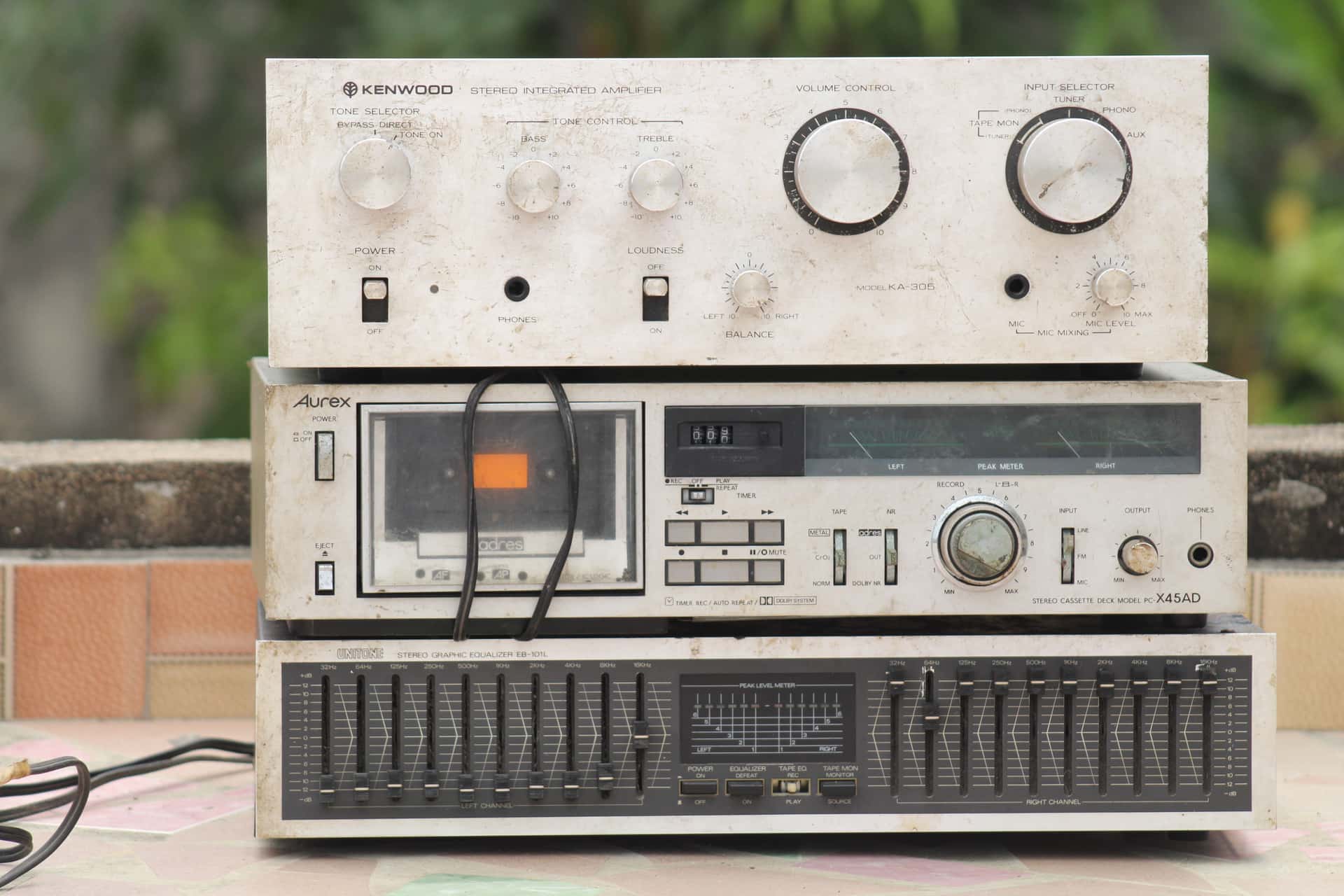
Then there’s the gear itself. If you’re choosing between deck types, belt vs direct drive explains what the motor design actually changes. If you’re wondering whether to spend more, are expensive turntables worth it? shows exactly where your money goes as prices climb — and where it stops buying you anything you can hear.
Finally, records themselves need care. Dust is the enemy of quiet playback and a clean stylus, so how to clean vinyl records covers a safe routine — the brush before each side, a proper fluid clean for dirty records, and the mistakes that scratch grooves instead of cleaning them.
Everything in Guides
How to Set Up a Turntable
The full step-by-step: level it, fit the cartridge, set tracking force and anti-skate, and connect it correctly.
Belt Drive vs Direct Drive
How the two motor designs actually differ, what it means for sound and DJing, and which one to buy for listening.
How to Clean Vinyl Records
A safe cleaning routine for dusty and dirty records — the brush, the fluid, and the mistakes that scratch grooves.
Are Expensive Turntables Worth It?
Where your money actually goes as prices climb, and the point where spending more stops improving what you hear.
Vinyl Setup for Beginners
The whole chain explained once, in order — deck, preamp, amp, speakers — with three complete starter systems costed out at different budgets.
How to Set Up a Cartridge
Mounting, overhang, alignment, tracking force and anti-skate — the five steps between a new cartridge in a box and one that tracks correctly.
How to Replace a Turntable Stylus
When a stylus is worn, how to tell, and how to swap it in two minutes without disturbing the alignment you already set.
Turntable Troubleshooting
Hum, skipping, one dead channel, wrong speed, distorted sound — a symptom-by-symptom decision tree for the eight faults that cause almost everything.
Automatic vs Manual Turntables
What automation actually costs you in tonearm adjustability, when that trade is worth making, and the semi-automatic middle ground.
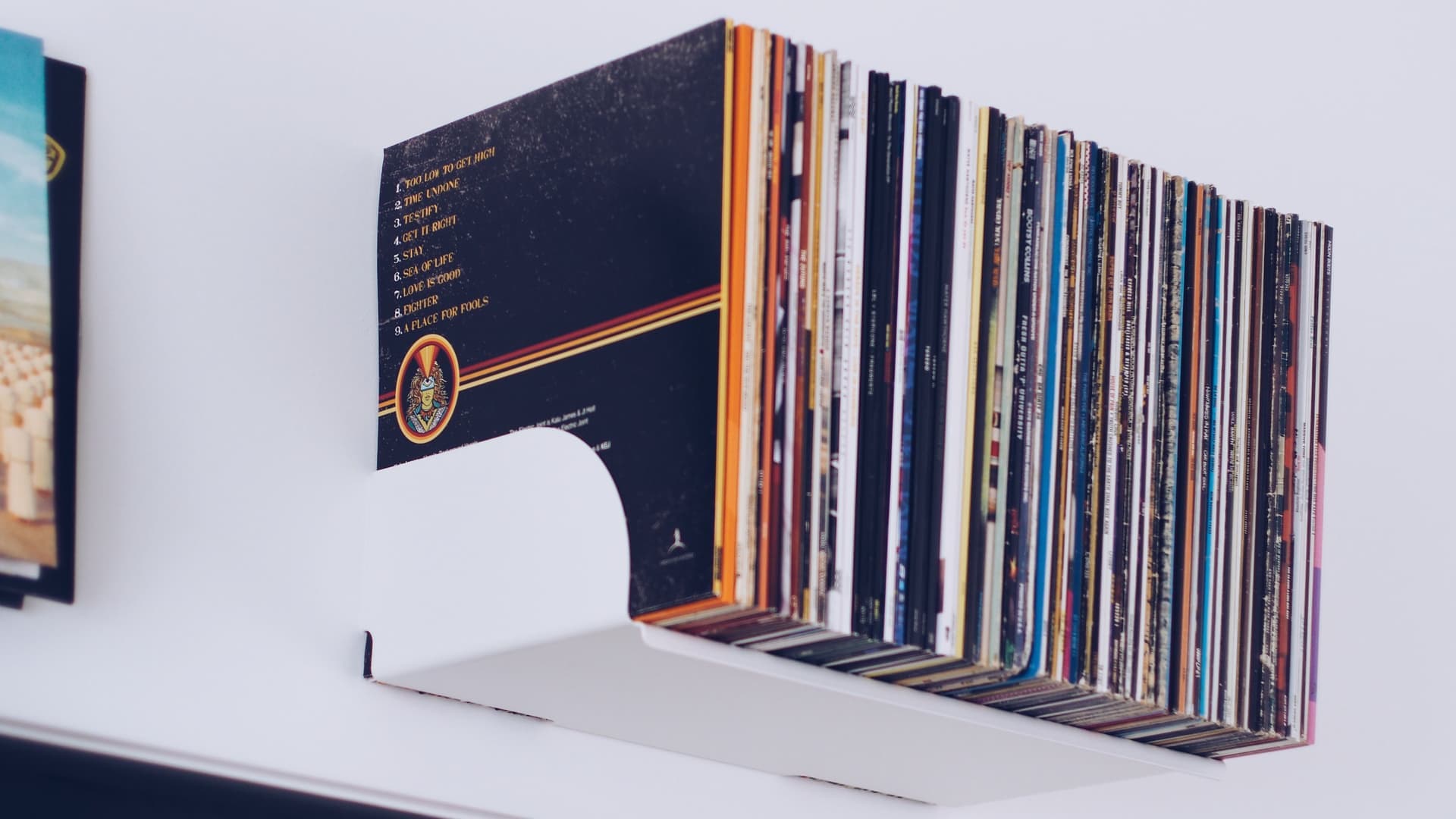
How to Store Vinyl Records
Upright, sleeved, out of the sun and off the floor — the storage rules that decide whether a record survives thirty years, and the ones that are myths.
Do Cheap Turntables Ruin Records?
A straight answer, the mechanism behind it, and the specific specification that separates a safe budget deck from a record-eater.
Are Turntables Worth It?
An honest answer to the question underneath every other question on this site — including the three cases where the answer is genuinely no.
Why Are Turntables So Expensive?
Where the money goes inside a turntable — the parts that cost real money to make well, and the parts that are priced on brand rather than engineering.
What Is Hi-Fi?
The word, the original standard behind it, what it means on a modern spec sheet, and how hi-res digital compares with a record.
Record Player vs Turntable
The two words mean the same machine, but sellers use them for two different products — one box with speakers inside, or a deck that needs a system around it.
Turntable Maintenance
What wears out on a turntable, how often, and what it costs — a maintenance schedule for the four parts that actually need attention.
Are Suitcase Record Players Bad?
A straight answer, the specific mechanism behind the record wear, and the cheapest deck that avoids it.
How to Balance a Tonearm and Set Tracking Force
Zero-balance, dial the number, match anti-skate. The ten-minute procedure that decides whether your records survive, with the arithmetic done.
Turntable Setup Diagram: How It All Connects
Every valid way to wire a turntable to speakers, drawn out — and the one rule that tells you instantly whether your chain is legal.
How to Record Vinyl to a Computer
USB turntable or audio interface, what sample rate to use, and how to split a side into tracks without paying for anything.
How to Connect a Turntable to Sonos
Which Sonos speakers take a line input, the adapter the Era models need, and where the phono stage has to sit in the chain.
How to Build a Hi-Fi System Around a Turntable
Four boxes, one signal path, and where each dollar actually goes. A budget-allocation guide for a first real system, at three price points.
Do Vinyl Records Have to Be Stored Vertically?
Yes — and the reason is mechanical, not superstition. What stacking actually does to a record, and how to rescue one that is already warped.
Hi-Res Audio vs Hi-Fi
One is a file specification, the other is a standard of reproduction. Why a hi-res stream can sound worse than a record, and what that means for what you buy.
How to Listen to Vinyl With Headphones
Almost no turntable can drive a pair of headphones, for the same reason it cannot drive a speaker. Three routes that can, and the one published figure that decides whether yours will.
Vinyl vs CD
The parts of this argument that can actually be checked: what wears out, what it costs to keep playing, where the noise comes from, and whether the record was cut from analog tape at all.
How to Clean a Turntable Stylus
A clean record played with a dirty stylus sounds like a dirty record. The two-minute routine, and why the direction you brush matters more than the brush.
How to Get Rid of Static on Vinyl Records
Static is a charge, not a deposit — so the products that remove dirt do nothing about it. What generates it, what drains it, and the storage change that stops it coming back.
How to Connect a Turntable to a Soundbar
A soundbar has the amplifier and the speakers but never a phono input — and plenty have no analog input at all. The three routes that work, by what your bar actually accepts.
How Long Do Vinyl Records Last?
Nobody publishes a play count, and any number you have been quoted was invented. What is published is how long a stylus lasts — and the stylus is what consumes the record.
How to Upgrade a Turntable: the Order That Pays
Five upgrades, ranked by what each one measurably changes. The stylus comes first and the expensive one comes last - and one of them is free.
How to Level a Turntable
Why an out-of-level deck mistracks, how to level one with and without adjustable feet, and what to put under it when the furniture is the problem.
How to Pack and Ship Vinyl Records
Vertical, never flat, and never in the box the record came in. The three ways records die in transit and what each one costs to prevent.
Why Is My Record Skipping?
Same spot every time, or everywhere? That one answer splits the causes in half - then four checks in order, cheapest first.
Turntable Hum: Grounding, Ground Loops and the Fixes
Three different hums with three different causes. Which one you have is decided by what makes it change - and the ground wire is only the first answer.
How to Connect a Turntable to a Receiver
Three sockets decide it: PHONO, LINE and the ground post. The matching table for every combination, and the three faults that follow from getting it wrong.
Record Player Playing Too Fast or Too Slow
Four causes in the order they occur - the speed selector, a tired belt, a dragging platter, a failing motor - and the published figures that say whether a deck can hold speed at all.
Why Does My Vinyl Sound Muffled or Dull?
Six causes ranked by how often each one is the answer. The first costs nothing, takes ten seconds, and is right more often than all the others combined.




The order most people should do things
- Unbox and level the deck on a solid, stable surface.
- Fit the cartridge (if it’s not pre-mounted) and set overhang/alignment.
- Balance the tonearm to zero, then set tracking force with a gauge.
- Set anti-skate to match the tracking force.
- Decide where your phono preamp is — deck, amp or a separate box — and connect accordingly.
- Give each record a quick brush before you play it, and keep the stylus clean.
Do those six things and a $250 deck will outperform a $600 one that was dumped on a wobbly shelf and never adjusted. Setup is free performance.