Records to Buy
What to actually put on the turntable. First records for a new deck, starter collections by genre, and which pressing of an album is worth paying for.
The rest of this site is about the machine. This part is about what goes on it — which is the half most turntable buyers get wrong, because a deck arrives with a stylus, a mat and no music, and the first purchase after it is almost always made in a hurry.
There is no mystery to buying records well, but there are three places people reliably lose money. They buy a scarce or collectible pressing before they can hear the difference. They pay a premium for a heavier disc believing weight is a sound specification. And they buy a box set for the two albums they wanted. Every page below is built to prevent one of those.
What we do and do not claim. We have not heard the specific pressings on these pages, and we do not review music — there is no score, no star rating and no listening impression anywhere in this hub. What we do instead is read what the label actually publishes about a reissue line, check that the listing is a real, in-stock vinyl release before featuring it, and say plainly when a maker publishes nothing at all. Blue Note documents its mastering chain in detail; most rock and hip-hop reissues document nothing. That difference is itself the most useful thing a buyer can know, and it is on every page.
Prices move faster here than anywhere else on the site. Pressings sell through, get repressed under a new listing, and swing in price week to week far more than turntables do. So no record page quotes a price in its prose. The buttons carry the live figure and the date it was read, and if a listing dies the link still lands you on a useful search rather than a dead page.
New to all of this? Start with the first ten records to buy. It assumes you own a turntable and nothing else.
Everything in Records
The First 10 Records to Buy
You have a turntable and nothing to play on it. Ten albums that are cheap, in print, and genuinely worth owning — plus the five genre paths to follow next.
Our top pick
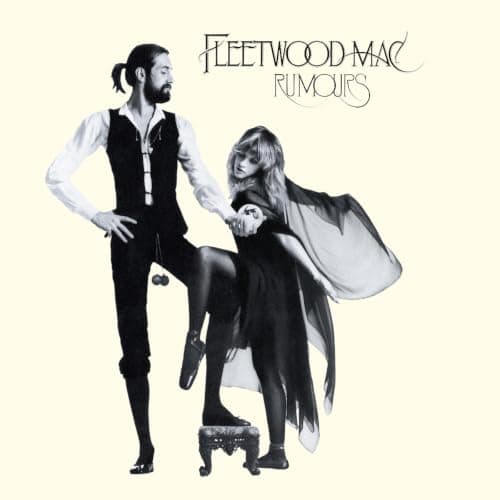
Fleetwood Mac Rumours
Essential Jazz Records on Vinyl
Seven jazz albums to start a collection with, and how to tell Blue Note's three reissue lines apart before you pay for the wrong one.
Our top pick
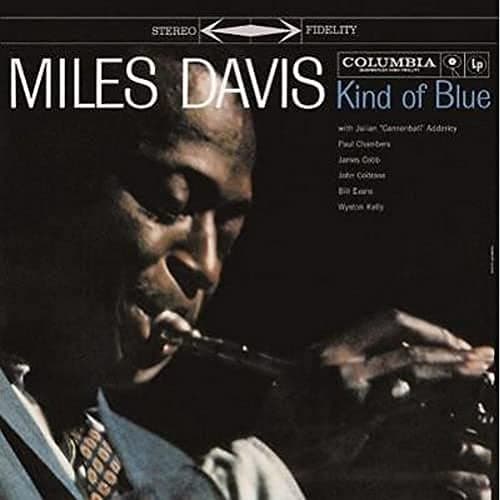
Miles Davis Kind Of Blue
$25.98 · View on AmazonPrice as of October 21, 2026. #ad How we’re funded
Essential Classic Rock Records on Vinyl
Nine canonical rock albums that are still cheap and still in print — ranked by what each one actually asks of your turntable.
Our top pick
Fleetwood Mac Rumours
Essential Hip-Hop Records on Vinyl
The genre where reissue provenance is least transparent and running time matters most. Nine albums, with an honest note on what the labels do not publish.
Our top pick
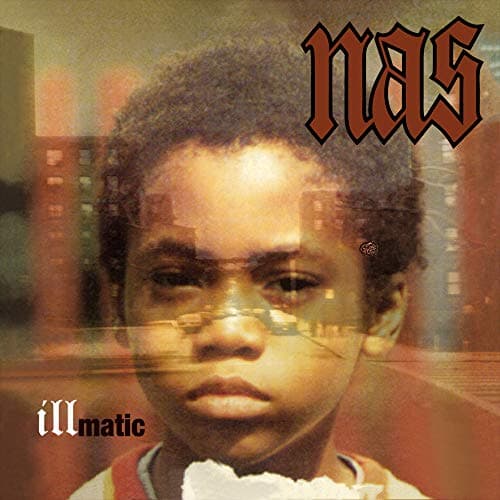
Nas Illmatic
Essential Soul & Funk Records on Vinyl
Six albums that made soul an album format, including the two quietest records on the site — and why quiet records are the useful ones.
Our top pick
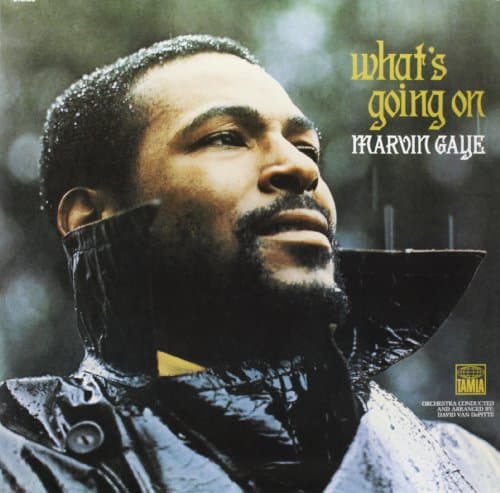
Marvin Gaye What's Going On
Essential Indie Records on Vinyl
Nine records from 1997 to 2020 for a collection that is not only reissues, sorted by what each one reveals about a system.
Our top pick
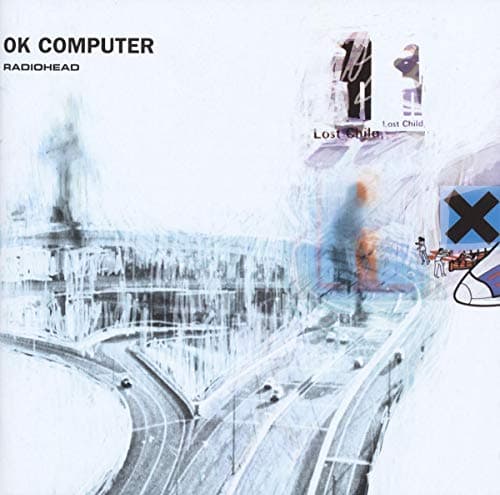
Radiohead OK Computer
Audiophile Pressings Explained
Tone Poet, Classic Vinyl, Mobile Fidelity, Analogue Productions — what each line publishes about its mastering, and what the price difference actually buys.
Which Pressing Should You Buy?
Original, standard reissue or audiophile edition — a decision procedure for any album, and the four things to read on a listing before you spend.
Is 180 Gram Vinyl Better?
Weight is a property of the disc, not of the sound cut into it. What 180g does change, what it does not, and when it is worth paying for.
Colored Vinyl vs Black: Does It Sound Worse?
The trade-off is real but smaller and more specific than the internet says. What changes with pigment, which variants are worst, and when to care.
How to Spot a Bad Pressing or a Fake
Counterfeits and unlicensed repressings are common on marketplace listings. The checks that take thirty seconds before you buy, and what to do after it arrives.
The Best Vinyl Gifts
What to buy someone who owns a turntable, sorted by how well you know their taste — including the safe answer when you do not know it at all.
Our top pick
Fleetwood Mac Rumours
Are Vinyl Box Sets Worth It?
Usually not, and the arithmetic is not close. When a box is genuinely the cheaper route, and what to buy instead the rest of the time.
Record and Accessory Gift Pairings
Four complete gifts under sensible budgets, each pairing an album with the accessory that makes owning it better — and none of them a novelty.
Our top pick
Miles Davis Kind Of Blue
$25.98 · View on AmazonPrice as of October 21, 2026. #ad How we’re funded
33 vs 45 RPM: Which Speed, and Why It Matters
What the two numbers are, how to tell which one a record wants, and the one published figure that decides whether your deck can play a 45 at all.
Where to start, by situation
The turntable just arrived. Buy from the first ten and stop there until you have played them. Ten records is roughly where most people discover which direction they actually want to go, and buying thirty first is how you end up with a shelf you do not listen to.
You already know the genre. Go straight to the starter collection — jazz, classic rock, hip-hop, soul and funk, or indie. Each one is ordered for someone building from nothing, not for someone completing a collection.
You found four versions of the same album. That is the normal state of affairs and it is what which pressing to buy is for. If the versions differ by a reissue line name rather than by a year, read audiophile pressings explained first — the differences between those lines are published, and they are not what most people assume.
You are buying for somebody else. Vinyl gifts is sorted by how well you know their taste, and gift pairings puts an album together with the accessory that makes owning it better. Before you consider a box, read are box sets worth it — the arithmetic usually says no. For gifts that are not records at all, the gift guides are sorted by recipient and by budget.
Three claims to stop believing
“180 gram sounds better.” Weight describes the lump of vinyl, not the groove cut into it. A heavy disc from a mediocre master is a heavy disc from a mediocre master. There are real reasons to prefer 180g and sound quality is not directly one of them — the full version is here.
“Colored vinyl always sounds worse.” The effect is real, smaller than claimed, and very dependent on which colored format you mean — picture discs and splatter are a different proposition from a solid opaque color. Here is what actually changes.
“An original pressing is always the best one.” Sometimes, for some titles, in good condition, at a price most people should not pay. A fifty-year-old record has had fifty years of handling, and a current all-analog reissue from the original tapes is a genuinely competitive object. The decision procedure is here.
Before you buy more records
Two pieces of hardware do more for your records than any pressing upgrade will. The first is a stylus in good condition: a worn tip does cumulative, permanent damage to every record it touches, which makes it the one component where neglect costs you the collection rather than the sound. How often to replace a stylus has the manufacturers’ own hour figures.
The second is somewhere sensible to keep them. Storing records upright, out of sunlight and in decent sleeves is free if you do it from the start and expensive if you do not. And if your records are already noisy, a cleaning kit beats replacing them.
If you do not have the turntable yet, start at the turntable roundup instead. Buying records for a deck you have not chosen is the one order of operations we would talk you out of.