PLATTER & PLINTH

Essential Jazz Records on Vinyl

Jazz is the genre where reissues are documented properly — one label publishes its mastering engineer, its source tapes and its pressing plant. That makes it the cheapest genre to collect well, if you know which line you are buying.

By Stephen V.Last updated How we pick

Jazz has an advantage over every other genre on this site, and it has nothing to do with the music. It is that Blue Note publishes what it does. For its two main reissue lines the label states the mastering engineer, the source it was cut from, the vinyl weight and the pressing plant — in public, on its own site. Almost no rock, soul or hip-hop reissue tells you any of that.

That single fact should shape how you buy jazz on vinyl, because it means you can make an informed decision instead of a hopeful one. It also produces the most useful discovery in this whole hub: Blue Note’s premium Tone Poet line and its mid-price Classic Vinyl line share a mastering engineer and a source. Both are cut all-analog by Kevin Gray from the original master tapes. What differs is the pressing plant and the jacket — and roughly double the price.

So this list is ordered for someone building from nothing, and every pick notes which line the specific listing belongs to. Where a record is not from a documented line, the write-up says that too, because “the label publishes nothing” is information rather than an absence of it.

If jazz is not where you are starting, the first ten records spans all five genres. If you are still choosing hardware, turntables for audiophiles is the relevant page — jazz reissues reward a well-aligned cartridge more than most material does.

How this is funded:we earn a commission if you buy through our links, at no extra cost to you. It never changes which product we recommend, and we’ll tell you plainly when to skip one. Full disclosure.

Quick picks

Ordered for someone starting from nothing, and compared on what each reissue line actually publishes about its mastering — not on a listening impression. We have not heard these pressings; here is exactly what we do instead.

#ProductBest forPrice
1
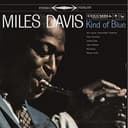
Miles Davis Kind Of Blue

Miles Davis Kind Of Blue

The record almost every vinyl collection starts with, and for once the consensus pick is also the practical one. The 1959 session is modal rather than dense bebop, the tempos are unhurried, and the recording is spacious — which makes it the album people reach for when they want to hear what a system does with space and decay rather than what it does with volume. It has been in continuous print for decades, so it is cheap, easy to find, and easy to replace.

Start here
$25.98 · View on Amazon

Price as of September 7, 2026. #ad How we’re funded

2
Cannonball Adderley Somethin' Else

Cannonball Adderley Somethin' Else

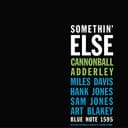
A 1958 Blue Note date under Cannonball Adderley's name with Miles Davis on it, and the easiest possible entry into the Blue Note catalog. This particular listing is the Classic Vinyl Series edition, which Blue Note publishes as all-analog 180g mastered by Kevin Gray from the original master tapes and pressed at Optimal — the same mastering credit as the far pricier Tone Poet line, in standard packaging.

Best value in a documented reissue
$27.97 · View on Amazon

Price as of September 7, 2026. #ad How we’re funded

3
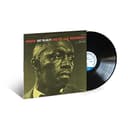
Art Blakey & The Jazz Messengers Moanin'

Art Blakey & The Jazz Messengers Moanin'

The loudest, most immediately fun record on this list — 1958 hard bop with a title track built on a call-and-response hook that needs no jazz literacy at all. Another Blue Note Classic Vinyl Series issue, so it carries the same published all-analog Kevin Gray mastering from the original tapes as the rest of that line. If a jazz record is going to convert somebody who says they do not like jazz, it is usually this one.

Best for a jazz sceptic
$28.99 · View on Amazon

Price as of September 7, 2026. #ad How we’re funded

4
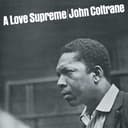
John Coltrane A Love Supreme

John Coltrane A Love Supreme

A four-part suite from 1965 that runs as a single continuous argument, which makes it one of the few jazz albums that genuinely rewards the side-at-a-time discipline vinyl forces on you. It is more demanding than Kind Of Blue and it is the natural second jazz record rather than the first. The Impulse! listing is one of the longest-running in-print jazz reissues on the market.

Best second jazz record
$20.99 · View on Amazon

$29.9930% off

Price as of September 7, 2026. #ad How we’re funded

5
Herbie Hancock Maiden Voyage

Herbie Hancock Maiden Voyage

A 1965 Blue Note session built around a nautical theme, and the most atmospheric record in this set — floating, unhurried, and easy to have on without paying full attention, which is a genuinely useful property in a record you are going to play a lot. This listing is the Blue Note Essentials Series, the label's cheaper catalog line, and it came back as the least expensive jazz pick here.

Cheapest way into Blue Note
$19.98 · View on Amazon

Price as of September 7, 2026. #ad How we’re funded

6
Bill Evans Trio Waltz for Debby

Bill Evans Trio Waltz for Debby

A 1961 live trio date recorded at the Village Vanguard, complete with the room — glasses, conversation, a piano trio playing quietly through it. That makes it an unusually revealing record on a home system, because most of what is interesting is happening at low level. This listing is the Original Jazz Classics Series from Craft Recordings and states 180g.

Best room recording
$38.69 · View on Amazon

Price as of September 7, 2026. #ad How we’re funded

7
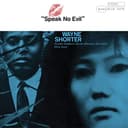
Wayne Shorter Speak No Evil

Wayne Shorter Speak No Evil

The one to buy when the obvious Blue Note titles are already on the shelf. Recorded in 1964 and released in 1966, it sits between hard bop and something stranger, and it is the record that usually turns a casual jazz buyer into someone with opinions. Another Classic Vinyl Series pressing, so the published mastering chain is the same all-analog Kevin Gray transfer from the original tapes.

Best once the obvious ones are done
$27.98 · View on Amazon

$31.9913% off

Price as of September 7, 2026. #ad How we’re funded

The picks in full

#1Start here

Miles Davis Kind Of Blue

The record almost every vinyl collection starts with, and for once the consensus pick is also the practical one. The 1959 session is modal rather than dense bebop, the tempos are unhurried, and the recording is spacious — which makes it the album people reach for when they want to hear what a system does with space and decay rather than what it does with volume. It has been in continuous print for decades, so it is cheap, easy to find, and easy to replace.

Strengths

  • In print continuously — you are never hunting a scarce pressing
  • Sparse, unhurried arrangements make it easy listening for a jazz newcomer
  • Widely available at standard-reissue money rather than audiophile money

Trade-offs

  • So ubiquitous that it can feel like a box to tick rather than a discovery
  • Many competing pressings exist at many prices; the cheapest is not always the best mastered, and we have not compared them
  • The Legacy listing does not publish a vinyl weight or mastering credit
ArtistMiles Davis
Edition (per listing)Standard vinyl issue
LabelLegacy Recordings
FormatVinyl LP
Stated weightNot published
Listing verified2026-09-07, live Creators API

Note. If you buy one jazz record to find out whether your turntable is set up correctly, buy this one — quiet passages and sustained cymbals expose a mistracking stylus faster than a loud record will.

Specifications read from the manufacturer / product listing, on September 7, 2026. “Not published” means the maker does not state that figure.

#2Best value in a documented reissue

Cannonball Adderley Somethin' Else

A 1958 Blue Note date under Cannonball Adderley's name with Miles Davis on it, and the easiest possible entry into the Blue Note catalog. This particular listing is the Classic Vinyl Series edition, which Blue Note publishes as all-analog 180g mastered by Kevin Gray from the original master tapes and pressed at Optimal — the same mastering credit as the far pricier Tone Poet line, in standard packaging.

Strengths

  • Blue Note publishes the mastering chain: all-analog, Kevin Gray, from the original master tapes
  • 180g and pressed at Optimal, at standard-reissue money rather than Tone Poet money
  • Approachable hard bop — melodic, mid-tempo, nothing forbidding about it

Trade-offs

  • Standard single sleeve, not the deluxe tip-on gatefold the Tone Poet line uses
  • The Classic Vinyl catalog is finite; if a title you want is not in it you are back to guessing
  • We have not heard this pressing and make no claim about how it compares to any other
ArtistCannonball Adderley
Edition (per listing)Blue Note Classic Vinyl Series
LabelBlue Note
FormatVinyl LP
Stated weight180g (per the series specification)
Listing verified2026-09-07, live Creators API

Note. This is the clearest example on the site of paying for mastering rather than for packaging. The Classic Vinyl and Tone Poet lines share a mastering engineer and a source tape; the pressing plant and the jacket are what the price difference buys.

Specifications read from the manufacturer / product listing, on September 7, 2026. “Not published” means the maker does not state that figure.

#3Best for a jazz sceptic

Art Blakey & The Jazz Messengers Moanin'

The loudest, most immediately fun record on this list — 1958 hard bop with a title track built on a call-and-response hook that needs no jazz literacy at all. Another Blue Note Classic Vinyl Series issue, so it carries the same published all-analog Kevin Gray mastering from the original tapes as the rest of that line. If a jazz record is going to convert somebody who says they do not like jazz, it is usually this one.

Strengths

  • Immediate and rhythmic — the least academic entry point in the Blue Note catalog
  • Classic Vinyl Series: all-analog, Kevin Gray, original master tapes, 180g, per Blue Note
  • Drum-forward, so it is a genuinely useful test of how your cartridge handles transients

Trade-offs

  • Standard packaging; no gatefold or tip-on jacket at this price
  • Hard bop dates from this era are short — you will be flipping sides often
  • No listening claim from us: we have not played this pressing
ArtistArt Blakey & The Jazz Messengers
Edition (per listing)Blue Note Classic Vinyl Series
LabelBlue Note
FormatVinyl LP
Stated weight180g (per the series specification)
Listing verified2026-09-07, live Creators API

Specifications read from the manufacturer / product listing, on September 7, 2026. “Not published” means the maker does not state that figure.

#4Best second jazz record

John Coltrane A Love Supreme

A four-part suite from 1965 that runs as a single continuous argument, which makes it one of the few jazz albums that genuinely rewards the side-at-a-time discipline vinyl forces on you. It is more demanding than Kind Of Blue and it is the natural second jazz record rather than the first. The Impulse! listing is one of the longest-running in-print jazz reissues on the market.

Strengths

  • Structured as a suite, so the format's side breaks work with the music instead of against it
  • Long-running Impulse! catalog issue — consistently available and sensibly priced
  • A genuine step up in intensity from the usual starter jazz records

Trade-offs

  • Considerably more demanding than Kind Of Blue; not the record to start a sceptical household on
  • The listing publishes no mastering source or vinyl weight
  • Pressing quality across the many reissues varies and we have not compared them
ArtistJohn Coltrane
Edition (per listing)Standard vinyl issue
LabelImpulse!
FormatVinyl LP
Stated weightNot published
Listing verified2026-09-07, live Creators API

Note. Buy this one after Kind Of Blue rather than instead of it. It is the record that tells you whether jazz is going to be a lane you keep buying in.

Specifications read from the manufacturer / product listing, on September 7, 2026. “Not published” means the maker does not state that figure.

#5Cheapest way into Blue Note

Herbie Hancock Maiden Voyage

A 1965 Blue Note session built around a nautical theme, and the most atmospheric record in this set — floating, unhurried, and easy to have on without paying full attention, which is a genuinely useful property in a record you are going to play a lot. This listing is the Blue Note Essentials Series, the label's cheaper catalog line, and it came back as the least expensive jazz pick here.

Strengths

  • Typically the lowest-priced Blue Note reissue line on the shelf
  • Atmospheric and undemanding — works as background and as a focused listen
  • A canonical title rather than a deep cut, so it holds its place in a small collection

Trade-offs

  • Essentials is Blue Note's budget line: it does NOT carry the published all-analog Kevin Gray mastering that Classic Vinyl and Tone Poet do
  • Blue Note does not publish a mastering source for this series the way it does for the other two
  • Stock on Essentials titles moves in and out; check availability before planning around it
ArtistHerbie Hancock
Edition (per listing)Blue Note Essentials Series
LabelBlue Note
FormatVinyl LP
Stated weightNot published
Listing verified2026-09-07, live Creators API

Note. Worth knowing which Blue Note line you are buying. Tone Poet and Classic Vinyl both publish an all-analog Kevin Gray mastering from the original tapes; Essentials does not, and is priced accordingly.

Specifications read from the manufacturer / product listing, on September 7, 2026. “Not published” means the maker does not state that figure.

#6Best room recording

Bill Evans Trio Waltz for Debby

A 1961 live trio date recorded at the Village Vanguard, complete with the room — glasses, conversation, a piano trio playing quietly through it. That makes it an unusually revealing record on a home system, because most of what is interesting is happening at low level. This listing is the Original Jazz Classics Series from Craft Recordings and states 180g.

Strengths

  • Live room sound makes low-level detail the whole point of the record
  • Original Jazz Classics reissue line at 180g, per the listing
  • Piano trio format — no horns, so it is an easy listen at low volume

Trade-offs

  • The audience noise that makes it revealing also annoys some listeners
  • Priced above the standard catalog reissues here
  • Craft does not state a mastering source in the listing copy
ArtistBill Evans Trio
Edition (per listing)Original Jazz Classics Series
LabelCraft Recordings
FormatVinyl LP
Stated weight180g (stated in the listing title)
Listing verified2026-09-07, live Creators API

Specifications read from the manufacturer / product listing, on September 7, 2026. “Not published” means the maker does not state that figure.

#7Best once the obvious ones are done

Wayne Shorter Speak No Evil

The one to buy when the obvious Blue Note titles are already on the shelf. Recorded in 1964 and released in 1966, it sits between hard bop and something stranger, and it is the record that usually turns a casual jazz buyer into someone with opinions. Another Classic Vinyl Series pressing, so the published mastering chain is the same all-analog Kevin Gray transfer from the original tapes.

Strengths

  • Same published Classic Vinyl mastering credit as the rest of that line
  • Less obvious than Kind Of Blue or Blue Train without being difficult
  • 180g, and priced with the standard reissues rather than the audiophile ones

Trade-offs

  • Not a starter record — buy it third, not first
  • Standard sleeve; the deluxe packaging is a Tone Poet feature
  • We make no claim about its sound versus other Speak No Evil pressings
ArtistWayne Shorter
Edition (per listing)Blue Note Classic Vinyl Series
LabelBlue Note
FormatVinyl LP
Stated weight180g (per the series specification)
Listing verified2026-09-07, live Creators API

Specifications read from the manufacturer / product listing, on September 7, 2026. “Not published” means the maker does not state that figure.

Blue Note’s three lines, and which one you are buying

This is the single most useful thing to know about buying jazz on vinyl, and it is entirely knowable because the label publishes it. Three lines run concurrently, at three prices, and the listing title tells you which is which if you read it.

  1. Tone Poet. Blue Note states it is produced by Joe Harley, “mastered all-analog directly from the original master tapes by Kevin Gray of Cohearent Audio”, pressed on 180g vinyl at Record Technology Inc. (RTI), and packaged in deluxe tip-on jackets. It is the most expensive line, typically around double the Classic Vinyl price.
  2. Classic Vinyl. Blue Note states these are “all-analog 180g vinyl pressings in standard packaging that are mastered by Kevin Gray directly from the original master tapes and manufactured at Optimal in Germany”. Read those two descriptions together: same engineer, same source, same weight. The differences are the plant and the jacket.
  3. Essentials. The budget line, and the one to understand clearly. Blue Note does not publish an all-analog Kevin Gray mastering credit for it the way it does for the other two. It is the cheapest way to own a Blue Note title and it is not making the same claim.

The practical conclusion, and the reason the Cannonball Adderley record ranks second on this page rather than sixth: for most buyers, a Classic Vinyl pressing is the value sweet spot in all of vinyl. You get a published all-analog transfer from the original tapes by a named engineer, at standard reissue money, and you give up a nicer cardboard sleeve. If the jacket matters to you, the Tone Poet is a legitimate purchase — just buy it knowing what the extra money is actually for.

The full comparison, including Mobile Fidelity and Analogue Productions, is in audiophile pressings explained.

How this list is ordered

Not by importance to the history of the music, which is not a ranking this site is qualified to publish. By suitability for someone with a turntable and no jazz records.

  • Approachability first. The first three are melodic, mid-tempo and structurally simple. Jazz has a reputation for being homework, and starting with a difficult record is how that reputation gets earned.
  • Then documentation. Where two comparable albums were available, the one from a line that publishes its mastering chain ranks higher, because you can verify what you are buying.
  • Then price. Everything here except the Bill Evans sits at standard reissue money. Nothing on this page is an audiophile pressing.
  • Availability throughout. Every listing was checked live for a real in-stock vinyl release before being featured.

Why jazz rewards a well-set-up turntable

More than any other genre here, and for a reason that is mechanical rather than mystical. Most of these recordings are small groups playing acoustic instruments in real rooms, recorded with few microphones and little compression. That produces two things a cheap or misaligned setup struggles with.

  • Sustained high-frequency detail. Ride cymbals and brushed snares are continuous, complex and quiet — exactly the signal that turns to a smeared hiss when a stylus is worn or mistracking. If cymbals sound like static rather than metal, check the stylus before you blame the pressing. Stylus hour figures are here.
  • Real room decay. The Bill Evans record was recorded live in a club and the room is audibly part of it. Space like that is the first thing to collapse if your speakers are badly placed or your cartridge is misaligned.
  • Genuine dynamic range. These sessions were not compressed to modern loudness standards, so the gap between the quietest and loudest passages is wide. That is why jazz exposes hum: there are long stretches where the noise floor is the loudest thing in the room.

If any of that describes a problem you are hearing, the sequence to work through is in turntable troubleshooting — and the fix is far more often alignment than equipment.

What we left off, and why

Two absences worth explaining, because both are records that belong on a list like this.

  • Charles Mingus, Mingus Ah Um. Currently the in-stock listings are a scarce colored-vinyl reissue from a budget European label with no published mastering information, at a price well above the Blue Note Classic Vinyl titles here. That is a bad first purchase in a genre where better-documented options cost less. Worth owning — worth waiting for a better pressing.
  • John Coltrane, Blue Train. Genuinely essential, and the currently available edition is the Tone Poet two-LP Complete Masters at roughly double the price of everything else here. It is a fine record and the wrong first jazz purchase, so it appears on the audiophile pressings page instead, where it does a useful job as the worked example of what a premium line actually delivers.

Both exclusions follow the same rule as the rest of this hub: we would rather tell you an album is worth owning and that today is not the day to buy it than point you at a listing we would not buy ourselves.
Frequently asked questions

What is the best first jazz record to buy on vinyl?

Miles Davis's Kind Of Blue, for practical reasons as much as musical ones. It is modal rather than dense bebop, so the tempos are unhurried and there is space around everything; it has been in print continuously for decades, so it is cheap and easy to replace; and its quiet passages and sustained cymbals make it an unusually good test of whether a new turntable is set up correctly. Buy A Love Supreme second, not first — it is considerably more demanding.

What is the difference between Blue Note Tone Poet and Classic Vinyl?

Less than the price gap suggests. Blue Note publishes both specifications: Tone Poet is produced by Joe Harley, mastered all-analog from the original master tapes by Kevin Gray of Cohearent Audio, pressed on 180g vinyl at RTI, in deluxe tip-on jackets. Classic Vinyl is all-analog 180g mastered by Kevin Gray directly from the original master tapes, manufactured at Optimal in Germany, in standard packaging. Same engineer, same source tapes, same weight — the differences are the pressing plant and the jacket, for roughly twice the money.

Is the Blue Note Essentials series any good?

It is the cheapest way to own a Blue Note title, and it is not making the same claim as the other two lines. Blue Note publishes an all-analog Kevin Gray mastering credit from the original master tapes for Tone Poet and Classic Vinyl; it does not publish that for Essentials. If you want a documented mastering chain, buy Classic Vinyl. If you want the album on your shelf for the lowest price, Essentials does that honestly.

Why does jazz sound better on a good turntable?

Because of what is on the recordings rather than anything special about the genre. Most classic jazz is a small acoustic group recorded in a real room with few microphones and little compression, which produces sustained high-frequency detail (cymbals), audible room decay, and a wide gap between quiet and loud passages. Each of those is exactly what a worn stylus, a misaligned cartridge or a hum problem degrades first — so a good setup is more obviously better, and a bad one more obviously worse.

Should I buy original jazz pressings instead of reissues?

Not when you are starting. An original Blue Note from the late 1950s in genuinely good condition is a collector's item priced accordingly, and condition is difficult to judge without experience. A current Classic Vinyl reissue is cut all-analog from the same original master tapes by a named engineer, arrives unplayed, and costs a fraction of that. Buy reissues first; move to originals later if the hobby takes hold.

How many jazz records do I need to start a collection?

Six or seven covers the ground properly — enough to span bebop, modal, hard bop and a live trio date without repeating yourself. Buy them in the order on this page rather than all at once, because the first three are deliberately approachable and the later ones assume you have got used to the format. If jazz is one of several genres you are collecting, three is enough to know whether you want more.

Sources

  • Blue Note — Tone Poet Audiophile Vinyl Reissue SeriesLabel's own series description: "produced by the 'Tone Poet' Joe Harley", "mastered all-analog directly from the original master tapes by Kevin Gray of Cohearent Audio", "pressed on 180g vinyl at Record Technology Inc. (RTI), and packaged in deluxe tip-on jackets" (accessed September 7, 2026)
  • Blue Note — Classic Vinyl Reissue SeriesLabel's own series description: "all-analog 180g vinyl pressings in standard packaging that are mastered by Kevin Gray directly from the original master tapes and manufactured at Optimal in Germany" — the same mastering engineer and the same source tapes as Tone Poet, at a different plant and without the deluxe jacket (accessed September 7, 2026)
  • Library of Congress — Caring for and cleaning grooved discsPreservation guidance on cleaning and storing records to prevent damage (accessed July 24, 2026)

Keep reading