Turntables & Record Players
Belt drive, direct drive, automatic, Bluetooth, all-in-one — every kind of record player compared on drive design, the included cartridge, and whether the built-in preamp is any good.
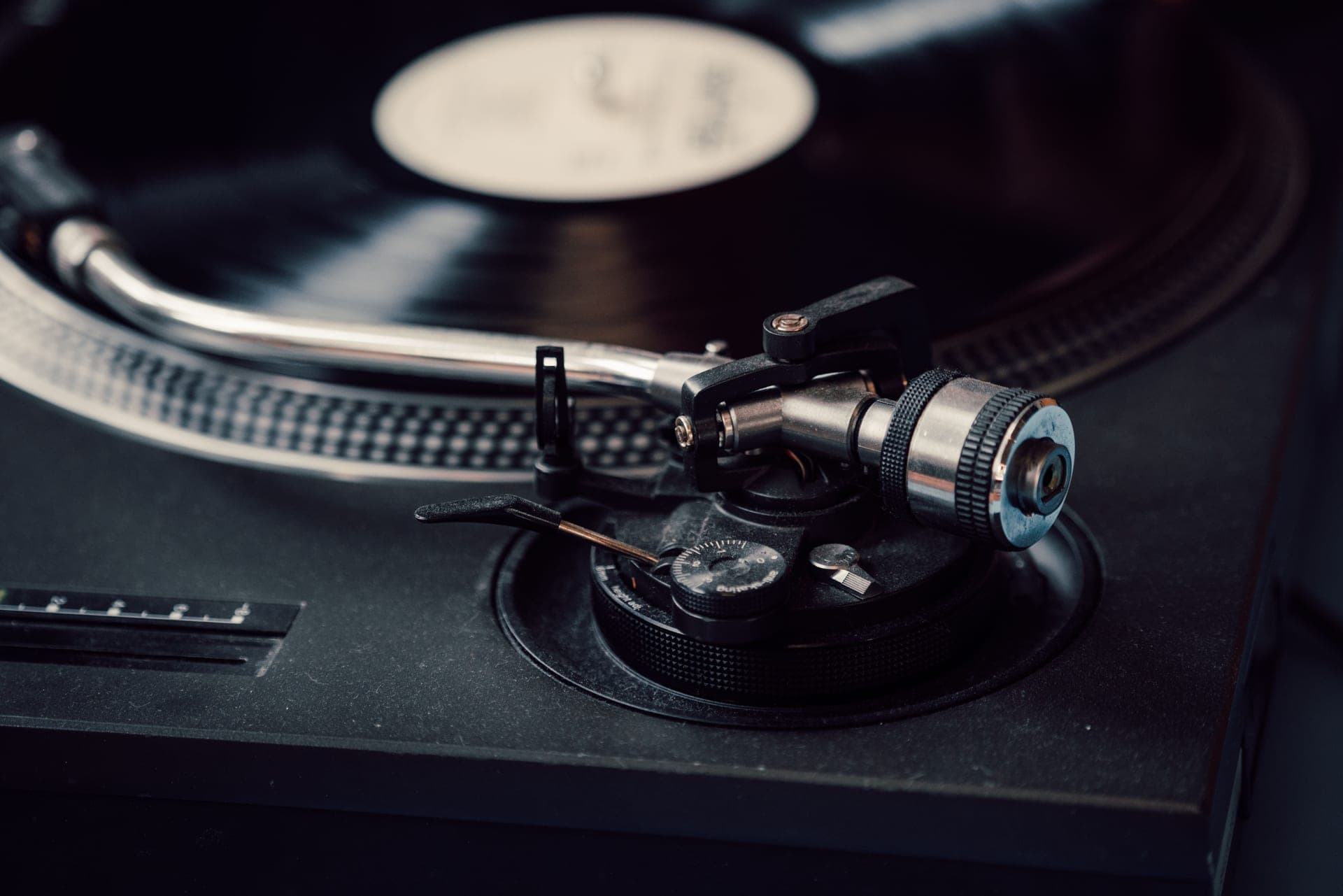
“Record player” and “turntable” mean the same thing to most people, and both are welcome here. What matters is not the word but three things under the hood: how the platter is driven, how the tonearm holds the cartridge, and whether there’s a phono preamp built in. Get those right and everything else — looks, features, brand — is secondary.
Drive comes in two kinds. A belt-drive deck spins the platter with an elastic belt that isolates it from motor vibration, which is why most listening-focused turntables use it. A direct-drivedeck sits the platter right on the motor for instant, rock-steady speed — the reason DJs and anyone digitizing records prefer it. Neither is “better” in the abstract; they trade quiet isolation against torque and speed stability. Our belt vs direct guide walks through which to buy.
Operation is the other fork. A fully automaticdeck cues, plays and lifts the arm at the touch of a button — foolproof, and the safest choice for a first turntable, at the cost of a fixed, non-adjustable arm. A manualdeck makes you cue the arm yourself but gives you a counterweight and anti-skate, so you can set tracking force to the cartridge’s spec. That adjustability is where real hi-fi begins.
Finally, the preamp. A turntable’s output is far too quiet to plug straight into most speakers; it needs a phono preamp somewhere. Many decks include a switchable one, which is why they can plug into powered speakers today and an external stage later. If a deck has no built-in preamp, you’ll need one — see do I need a phono preamp?
Buying a deck for someone else, or deciding whether to wait for a sale? Which turntable to give sorts these picks by what the recipient already owns, and the Black Friday and Cyber Monday page says which of them have a real history of November discounts.
Everything in Turntables
Best Turntables
The strongest all-round record players right now, from a $180 automatic to a carbon-arm audiophile deck.
Best Record Players
The same question in plainer words: which record player should you actually buy? Picks from a $90 all-in-one to a carbon-arm deck, ranked by who each one suits.
Our top pick
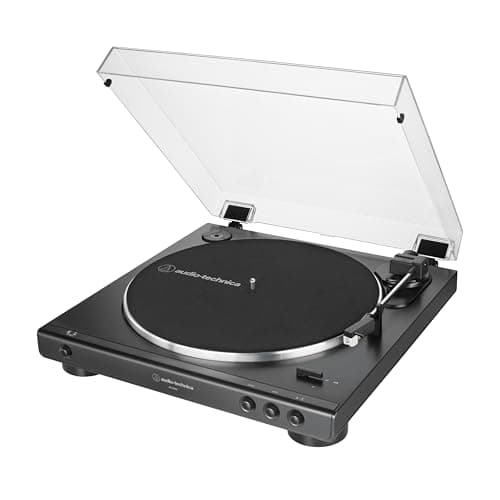
Audio-Technica AT-LP60X
Best Turntables for Beginners
The easiest decks to live with on day one — the ones that arrive set up, track safely, and won't chew your records.
Our top pick
Audio-Technica AT-LP60X
Best Turntables Under $300
Where real hi-fi starts: proper cartridges, adjustable tracking force, and a preamp you can switch off later.
Best Turntables Under $500
Step-up decks with better platters, isolated motors and upgradeable cartridges — the tier most people should stretch to.
Best Record Players Under $200
The honest sub-$200 shortlist — including which all-in-ones are safe for your records and which to avoid.
Our top pick
Audio-Technica AT-LP60X
Best Bluetooth Turntables
Decks that stream to a wireless speaker or headphones — and the trade-off Bluetooth makes with sound quality, explained.
Our top pick
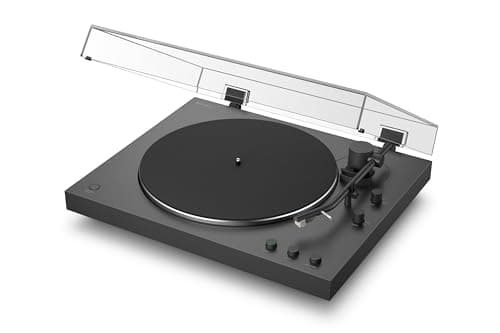
Sony PS-LX3BT
Best Turntables With Speakers
Your two real options — an all-in-one that includes speakers, or a proper deck paired with powered speakers — and when each makes sense.
Our top pick
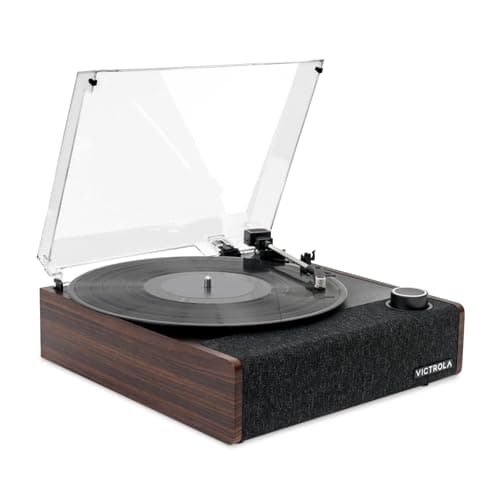
Victrola Eastwood II
$149.99 · View on AmazonPrice as of October 22, 2026. #ad How we’re funded
Best All-in-One Record Players
Self-contained record players with built-in speakers, ranked honestly — what they're great for and where their sound ceiling is.
Our top pick
Victrola Eastwood II
$149.99 · View on AmazonPrice as of October 22, 2026. #ad How we’re funded
Best Turntables Under $1000
Acrylic platters, 2M Blue-grade cartridges and preamp-free signal paths — the tier where the turntable stops being the weakest part of the system.
Best Turntables for Audiophiles
Decks that leave the preamp out, take a real cartridge upgrade, and are built around the platter and arm rather than the feature list.
Our top pick
Pro-Ject Debut Carbon EVO
$649.00 · View on AmazonPrice as of October 22, 2026. #ad How we’re funded
Best USB Turntables
Decks that record vinyl to a computer — or, in one case, straight to a USB drive with no computer at all. Compared on how they actually capture.
Our top pick
Audio-Technica AT-LP120XUSB
Audio-Technica AT-LP60X Review
The default first turntable, examined properly: what the fixed tonearm really costs you, what the conical stylus does to your records, and who should buy it anyway.
Our top pick
Audio-Technica AT-LP60X
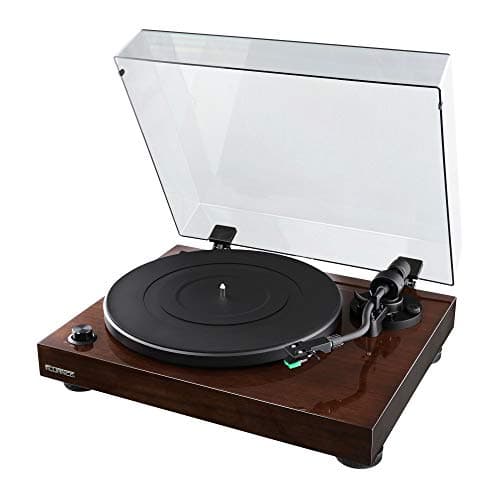
Fluance RT81 Review
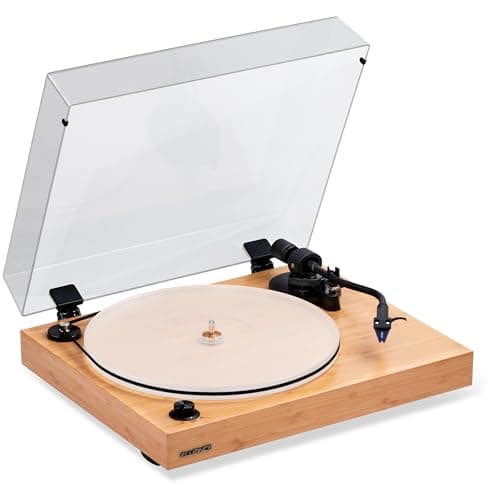
The cheapest deck with a counterweight, anti-skate and an elliptical cartridge — and an honest account of what you give up to get them.
AT-LP60X vs Fluance RT81
Automatic convenience against an adjustable tonearm, for about $120 difference. The single most common first-turntable decision, settled.
Best Turntables for the Money
Value judged as performance per dollar rather than by price bracket — the decks that beat what they cost, and the ones that don't.
Best Turntable Brands
Who actually makes the decks worth buying — eight brands compared on what they're good at, where they cut corners, and who each one is for.
Our top pick
Audio-Technica AT-LP60X
Audio-Technica AT-LP120XUSB Review
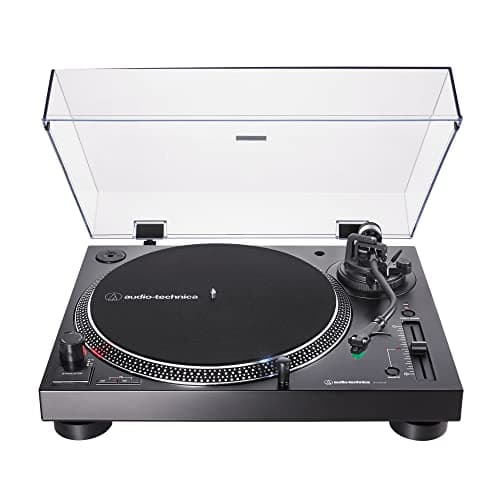
The direct-drive workhorse that also digitizes — what the DJ heritage buys a listener, and the two things it does better than anything near the price.
Our top pick
Audio-Technica AT-LP120XUSB
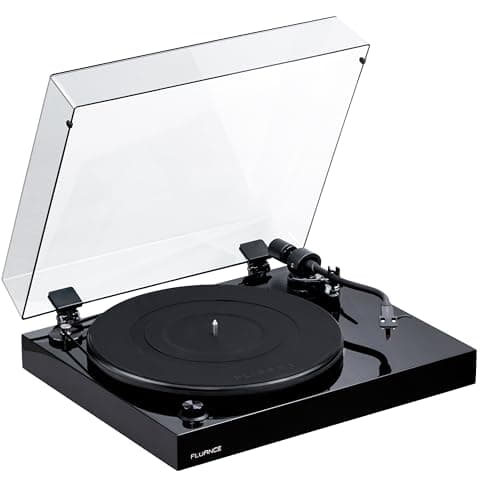
Fluance RT82 Review
An Ortofon cartridge, a servo motor and no built-in preamp — the deck that asks you to bring your own phono stage, and repays it.
Pro-Ject Debut Carbon EVO Review
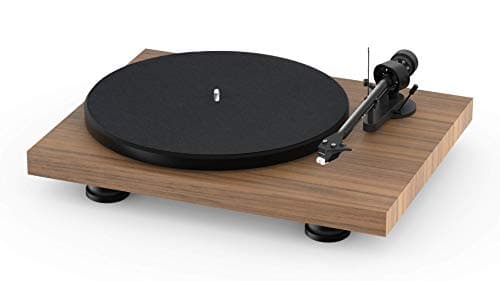
The one-piece carbon tonearm that set the standard at this price, and an honest account of what it demands from the rest of your system.
Our top pick
Pro-Ject Debut Carbon EVO
$649.00 · View on AmazonPrice as of October 22, 2026. #ad How we’re funded
AT-LP120XUSB vs Fluance RT82
Direct drive against belt drive at almost identical money — one digitizes and DJs, the other is built purely to listen. Which is which.
Best Turntables With a Built-In Preamp
Decks with the phono stage already inside, so they plug into powered speakers or any spare input — and, on the good ones, switch off when you upgrade.
Best Wooden Record Players
Real wood and bamboo cabinets, and why the plinth material is an acoustic decision before it is a decorative one.
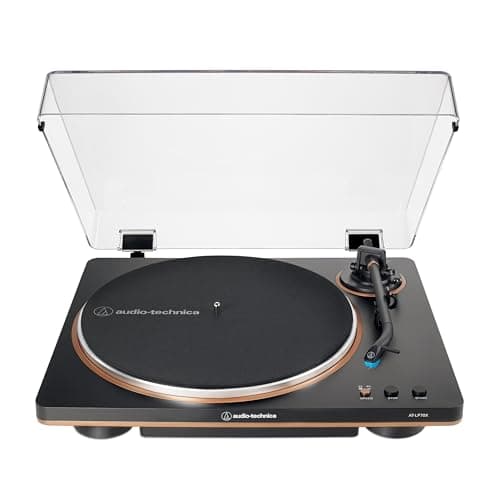
Audio-Technica AT-LP70X Review
The automatic that kept a real cartridge: a 1.8-2.2 g arm with five published stylus upgrades open to it, where the deck below it has one — plus the two places the convenience still costs you.
Our top pick
Audio-Technica AT-LP70X
$249.00 · View on AmazonPrice as of October 22, 2026. #ad How we’re funded
Best Audio-Technica Turntables
Six decks from the brand most people meet first, ranked on the row the price list hides: which cartridge socket each one has, and therefore how far it can ever be upgraded.
Our top pick
Audio-Technica AT-LP120XUSB
Best Fluance Turntables
The one brand at this price that publishes a full spec table for every deck — ranked on the cartridge you are paying for and the rung where the built-in phono preamp disappears.
Best Turntables for 78 RPM Records
Five decks that publish a third speed — plus the part nobody mentions, which is that every stylus in those boxes is cut for microgroove records and not for shellac.
Our top pick
Audio-Technica AT-LP120XUSB
Fluance RT81 vs AT-LP120XUSB
Belt drive against direct drive at adjacent prices, settled on the figures each maker publishes — and on the three things only one of them can do.
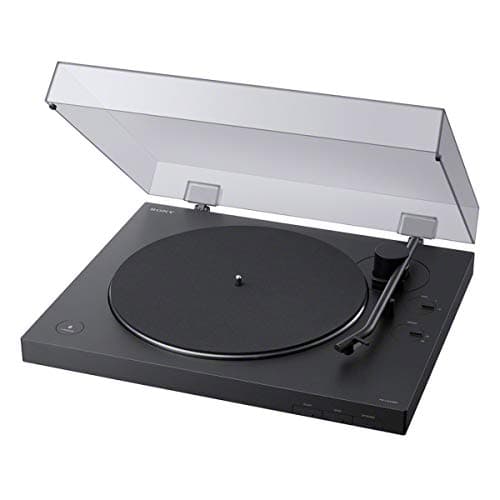
Sony PS-LX3BT Review
Our Bluetooth top pick, reviewed: aptX Adaptive and a switchable phono stage in a chassis two hands-on reviewers scored very differently — plus the one spec Sony and its reviewers disagree about.
Our top pick
Sony PS-LX3BT
Sony PS-LX310BT Review
Fully automatic, Bluetooth out, USB out and three gain settings — the most-featured deck at its price, what those features cost you, and where its 2026 successor changes the answer.
Our top pick
Sony PS-LX310BT
$448.00 · View on AmazonPrice as of October 22, 2026. #ad How we’re funded
Denon DP-300F Review
The rare fully automatic deck that still gives you a counterweight, anti-skate and a standard headshell — the exception the automatic-versus-manual argument keeps pointing at.
Fluance RT85 Review
An acrylic platter and an Ortofon 2M Blue at a price where most decks ship neither — and no internal preamp, which is a decision rather than an omission.
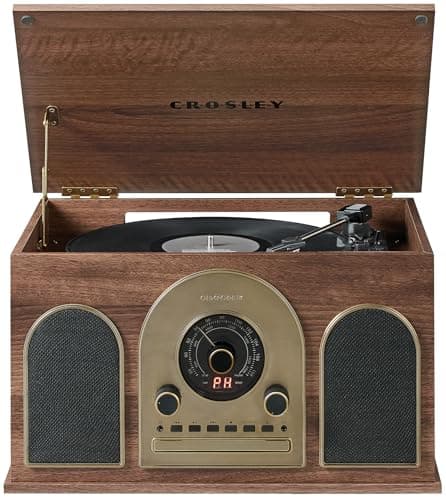
Best Turntable and CD Player Combos
One cabinet for records, CDs, cassettes and radio — ranked on what each maker publishes about the deck, and on whether the sound can ever leave the box.
Our top pick
Crosley CR7025A Hayes 8-in-1
$186.35 · View on AmazonPrice as of October 22, 2026. #ad How we’re funded
AT-LP60X vs AT-LP120XUSB
Audio-Technica's entry automatic against its direct-drive workhorse — a fixed factory-set arm versus one you balance yourself, and why that single decision settles everything else.
Best Automatic Turntables
Decks that cue, lift and return the arm for you — ranked on how much automation each one actually gives you, and on what the mechanism costs at the tonearm.
Our top pick
Audio-Technica AT-LP60X
Fluance RT82 vs RT85
One chassis, two builds. The RT85 changes only the platter and the cartridge — so for once you can price each half of an upgrade separately.
Fluance RT85 vs RT85N
The same turntable at the same price with two different cartridges fitted — Ortofon 2M Blue against Nagaoka MP-110, and nothing else to separate them.
Fluance RT85 vs RT87
The rare intra-brand step up where the maker's own measured figures move — dual plinth, carbon-fiber arm, VTA adjustment and a third speed, with the same cartridge on both.
Fluance RT85 vs Audio-Technica AT-LP120X
A belt-drive listening deck with an Ortofon 2M Blue against a direct-drive workhorse that digitizes, plays 78s and brings its own preamp.
Fluance vs Rega Planar 1 and Planar 2
One maker publishes a full page of measurements and fits an upmarket cartridge; the other publishes almost nothing and sells engineering. What each position actually buys you.
AT-LP120X vs Rega Planar 1
A deck built to be adjusted, recorded from and plugged into anything, against one built so that nothing can be got wrong.
AT-LP60X vs AT-LP70X
Audio-Technica's two automatics, neither with a counterweight — and the one published figure that separates them: a cartridge built for 3.5 g against one built for 2.0 g, with a five-rung stylus ladder on only one of them.
Fluance RT81 vs RT82
The cheapest rung of the Fluance ladder: a servo-controlled motor with a third of the published wow and flutter, against the built-in phono stage you give up to get it — and a third deck at the RT82's exact price.
Best Direct-Drive Turntables
At consumer prices direct drive means a short list, and all of it is Audio-Technica. What the drive actually buys you, and when a belt is the better purchase.
Our top pick
Audio-Technica AT-LP120XUSB
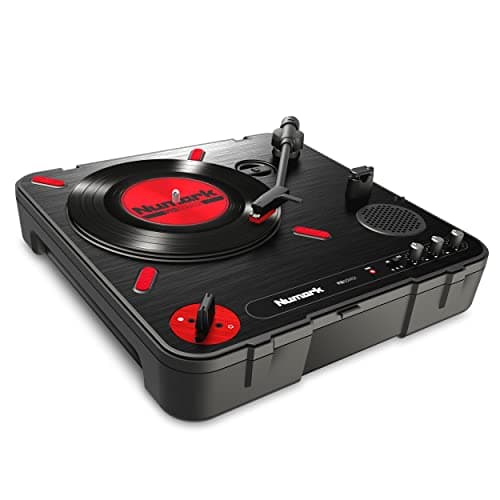
Best Portable Record Players
Portable means three different things on a listing. Only one deck here publishes battery operation, and that is the row that decides which you need.
Our top pick
Numark PT01 Scratch
$169.00 · View on AmazonPrice as of October 22, 2026. #ad How we’re funded
Audio-Technica vs Victrola
A component turntable against an all-in-one, cross-shopped constantly and not really competing. The cartridge row is where the difference actually lives.
Buying a Used Turntable
Seven checks that separate a bargain from a project, what a stylus and a belt really cost, and the price point where a new deck wins instead.
How to choose, by budget
Under $200:a fully automatic belt-drive deck like the Audio-Technica AT-LP60X is the safe entry — it tracks correctly out of the box and won’t chew your records. The all-in-ones with built-in speakers live here too; the good ones use a replaceable cartridge, the ones to avoid use a sealed ceramic pickup that tracks heavy.
$200–$500:the sweet spot. You get an adjustable counterweight, anti-skate, an aluminum platter and a genuine elliptical cartridge — a real, lasting jump in sound. This is the tier most people should stretch to, and where decks like the Fluance RT81 and RT82 sit.
$500 and up:better tonearms, heavier damped platters and upgradeable cartridges, usually with the preamp left out so you choose your own. Diminishing returns start here — the deck stops being the weak link and your cartridge, preamp and speakers start to matter more. Our are expensive turntables worth it? guide covers exactly where the money goes.