Are Vinyl Box Sets Worth It?
Usually not. A box is priced for the two albums you wanted and delivers six you did not, and the per-record maths rarely favors it. Here is when it genuinely does, and what to buy the rest of the time.
How this is funded: we earn a commission if you buy through our links, at no extra cost to you. It never changes which product we recommend, and we’ll tell you plainly when to skip one. Full disclosure.
The arithmetic, and why it usually loses
Box sets are sold on an implied discount: several records, one price, cheaper per album than buying them separately. That framing is true and mostly irrelevant, because it prices the box against records you were never going to buy.
The calculation that matters has three steps:
- List the discs you would genuinely have bought on their own. Be strict. Not “might listen to once” — would have paid for.
- Divide the box price by that number. This is the real cost per record you will actually play. The other discs are packaging.
- Compare against buying those albums individually. For catalog artists, the individual albums are usually in print and cheap.
For most people and most boxes, step two produces an uncomfortable number. A typical six-LP career box is priced somewhere around four to six standard reissues; if only two of the six are records you wanted, you have paid two to three times the going rate for each of them, and acquired four you will play once.
The counter-argument is that you might discover something in the other four. That does happen. It is also the same argument that justifies any bundle, and it is worth pricing honestly rather than assuming.
Why boxes cost what they cost
It is not primarily greed, which is worth understanding because it explains why the discount is smaller than people expect.
- Every disc costs a full disc to make. Pressing is per record. A six-LP box contains six records’ worth of vinyl, stampers, sleeves and press time. There is no bulk saving in the groove.
- The packaging is genuinely expensive. Rigid boxes, bound books, printed inner sleeves and heavy board cost far more than a standard jacket, and they are the visible part you are being sold.
- Run sizes are small. Boxes are pressed in limited quantities, so setup and design costs spread across fewer units than a catalog reissue does.
- Scarcity is priced in. Numbered and limited editions carry a premium that has nothing to do with production cost.
Only the first two of those give you anything. The last two are why a box you buy for its resale value is a speculation rather than a purchase.
The four cases where a box genuinely wins
They are real, and they are narrower than the marketing implies.
- You would buy most of the contents anyway. The honest case. If a box collects five albums and you would have bought four of them, the per-album price usually does come out ahead. This is common with artists who have a dense run of consistently good records and rare otherwise.
- The material is not available any other way. Unreleased sessions, live recordings, alternate takes and demos frequently exist only inside a box. If that content is the reason you are buying, there is no comparison to make and the box is simply the price of the material.
- The individual albums are out of print. When standalone pressings have gone and the second-hand copies are expensive, a current box can be the cheapest route to a clean copy. Check this rather than assuming it — catalog albums are repressed constantly.
- You want the object. Entirely legitimate, and the one case that needs no arithmetic at all. A well-made box with a proper book is a nice thing to own. Just call it what it is: you are buying a book and a package that happens to contain records, not a discount on music.
The four cases where it loses
- You want two albums out of eight. The most common situation by a wide margin, and the one the format is designed around.
- It is a gift. Expensive, hard to return once opened, and it multiplies the chance that at least one disc is a duplicate of something the recipient owns. Two records you are sure about beats a box every time — the reasoning is in the best vinyl gifts.
- It is your first big vinyl purchase. A box commits a lot of money to a lot of records before you know what you actually play. Ten cheap albums teaches you far more about your own taste, which is exactly what the first ten records is for.
- You are buying it for the mastering, and it does not state any. If a box makes no specific claim — no engineer, no source, no chain — assume the discs are the same standard pressings sold individually. Labels publicize a genuine new transfer because it sells; silence is informative.
How to read a box set listing
Four things, in order. The same discipline as choosing any pressing, applied to a bigger purchase.
- The full track and disc listing. Establish exactly what is in it and which discs you actually want, before anything else. This alone resolves most box-set decisions.
- Any mastering claim. Does it name an engineer, a source or an all-analog chain? Blue Note publishes that level of detail for its reissue lines, which is why those are the reference point — the comparison is here. A box that says only “remastered” has told you very little.
- Whether the contents are individually available. Search two or three of the discs as standalone albums. If they are all in print and cheap, the box has to justify itself on packaging alone.
- What the extras actually are. A substantial book is worth something. A folded poster and four postcards are not, and they appear in the bullet list looking like value.
What to do instead, most of the time
Buy the two albums you wanted, individually, and put the difference toward something that improves every record you own rather than adding six more.
That last part is the argument we would actually make. The money in a mid-sized box set is comparable to a better cartridge, which improves every record in the collection permanently, or a proper cleaning setup, which does the same for anything you buy used. Against six records you did not choose, either is a straightforwardly better use of the same money.
And if the goal was simply to spend more on music, the answer is to buy carefully rather than in bulk: three albums picked deliberately from a genre collection will get played far more than eight arriving together in a box.
Buy one of these instead
The alternative to a box is not “nothing” — it is two or three albums you are actually confident about, bought individually. These are the three we would start with, and their live prices make the comparison for you.
Instead of a jazz box
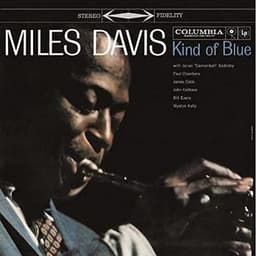
Miles Davis Kind Of Blue
The first jazz record, and the one to judge a new setup by
Price as of October 21, 2026. #ad How we’re funded
Instead of a catalog box

The Beatles Abbey Road
The one Beatles record to own if you only own one
Instead of a soul box
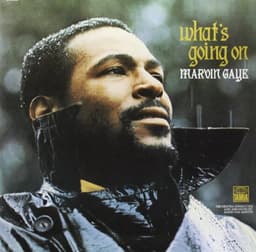
Marvin Gaye What's Going On
The best first soul record, and one of the best first records outright
Frequently asked questions
Are vinyl box sets worth the money?
Usually not. The common failure is that a box is priced against the two or three albums you actually wanted while delivering several you did not, so the effective cost of the records you will play is much higher than the sticker suggests. Work out which discs in the box you would have bought individually, divide the box price by that number, and compare against buying them separately — that calculation goes against the box far more often than not.
When is a vinyl box set a good buy?
Four cases. When you would genuinely buy most of the contents separately and the per-album price is lower. When the box is the only way to get material that has never been released individually. When the individual albums are out of print and only available second-hand at high prices. And when you specifically want the object — a well-made box with a book is a real thing to want, as long as you are buying it knowingly rather than believing it is a discount.
Do box sets sound better than individual albums?
Not inherently, and often it is the same pressing in different packaging. Some boxes are built around a genuinely new remaster or an all-analog transfer, and when that is the case the label usually says so explicitly because it is the selling point. If a box makes no specific claim about its mastering — no engineer, no source, no chain — assume the discs are the standard editions and price it accordingly.
Are vinyl box sets a good gift?
Rarely, unless the person has asked for that specific box. They are expensive, they are difficult to return once opened, and they bundle records the recipient may already own with ones they did not want. Two individual albums you are confident about is almost always a better gift for the same money, and pairing a record with an accessory is better still.
Why are vinyl box sets so expensive?
Several reasons stack. Each disc costs the same to press as a single album, so a six-LP box has six albums' worth of manufacturing in it before anything else. Then there is the packaging — rigid boxes, books and printed inners cost meaningfully more than a sleeve. Then there is the run size: boxes are pressed in small numbers, so fixed costs spread across fewer units. Scarcity pricing on limited editions does the rest.
Should I buy a box set for a complete album collection?
Only after checking whether the individual albums are in print. Completeness is the emotional pitch of a box and it is worth interrogating — most artists have two or three albums people actually return to, and a complete-works box charges you for the rest. If the ones you want are all currently available individually, buying them one at a time costs less, arrives sooner and lets you stop when you have had enough.
Sources
- Blue Note — Tone Poet Audiophile Vinyl Reissue Series — Label's own series description: "produced by the 'Tone Poet' Joe Harley", "mastered all-analog directly from the original master tapes by Kevin Gray of Cohearent Audio", "pressed on 180g vinyl at Record Technology Inc. (RTI), and packaged in deluxe tip-on jackets" (accessed September 7, 2026)
- Blue Note — Classic Vinyl Reissue Series — Label's own series description: "all-analog 180g vinyl pressings in standard packaging that are mastered by Kevin Gray directly from the original master tapes and manufactured at Optimal in Germany" — the same mastering engineer and the same source tapes as Tone Poet, at a different plant and without the deluxe jacket (accessed September 7, 2026)
- Disc Makers — vinyl record weights: what is 180 gram, and is it important? — A record-pressing company on its own product: standard weight for a 12-inch record "averages around 140 grams"; on whether 180g sounds better, "The short answer is, no they don't sound any better"; and decisively, "The stampers/plates used for 180g records are the same as Standard weight records. The groove depths are the same." It allows that extra mass may damp micro-movements on high-end systems, and says the heavier disc mainly creates "an impression of higher quality" (accessed September 7, 2026)
Keep reading
The Best Vinyl Gifts
The better way to spend gift money on somebody else's collection.
See the picksWhich Pressing Should You Buy?
How to judge the editions inside a box against the standalone ones.
Read the guideThe First 10 Records to Buy
If a box was going to be your first big purchase, buy these instead.
See the picksAudiophile Pressings Explained
What a box has to actually claim before the premium is justified.
Read the guide