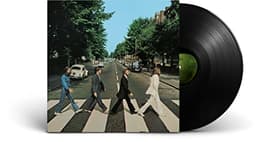
How these were chosen
- Price, verified from the live layer, not from memory. Every record here was under $25 at the last price check and each one carries an as-of date on its own button. We did not include anything that was hovering at $24.90, because record prices move week to week and a page that claims a band it cannot hold is worse than no page.
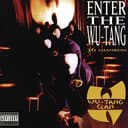
- One album per genre, deliberately.A list of six records from one genre is a different page — we have five of those, starting with essential jazz vinyl. This page is for someone who wants the best thing under $25 full stop, so it spans rock, classic pop, jazz, hip-hop, indie and a modern record, and each pick has to earn its place against everything, not just against its neighbours.
- In print, with a named label. Every pick is a current issue from a named label with a published edition line. That matters more than it sounds: a cheap record with no label information is usually a licensed repress of unknown provenance, and how to spot a bad pressing covers what that can mean when the needle hits it.
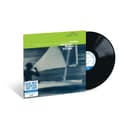
- Records that reward a modest system. Nothing here needs a four-figure deck to make sense. Three of the six are busy, loud, mid-forward records that sound right on small speakers; the Blue Note and the Phoebe Bridgers are the two that will show you what better equipment is for.
What $25 does and does not buy
It buys a current, legitimate pressing of a great album, with proper artwork and an inner sleeve, from a label with a name on the spine. For most records in most collections, that is the right purchase and the money above it goes on diminishing returns.
It does not buy an audiophile reissue. The Tone Poet, Mobile Fidelity and Analogue Productions lines that get discussed in that context start around twice this price, and what you are buying there is a named mastering engineer, a specific lacquer source and often a heavier disc — audiophile pressings explained sets out exactly what changes. At this band, nobody publishes a mastering credit and we do not invent one.
It also does not buy a guarantee of a flat, quiet disc. New records at every price arrive warped or noisy sometimes; the difference is that at $25 the return is less painful. A basic cleaning kit and proper storage do more for surface noise across a whole shelf than paying more per record would.
Buying more of them without wasting money
Two habits are worth forming early. First, check the pressing before the price: the same album often exists as a current issue and as an unlicensed-looking repress at a dollar less, and the cheaper one is cheaper for a reason. Which pressing to buy is the short version.
Second, sleeve them as they arrive. Paper inner sleeves scuff records every time they go in and out, and poly-lined inners cost a few cents each in a hundred-pack — the cheapest meaningful upgrade in this hobby, and one of several that fit inside a $50 accessory budget. Store them upright, never stacked, as our storage guide covers.