How these were chosen
- Under $25 at the price the layer reports, with the as-of date on every button. Prices move; if one of these has crossed the line by the time you read it, the button will say so rather than this sentence.
- It has to do something measurable. A cork mat changes the contact between record and platter. A record weight changes how a dished record sits. A brush removes what is physically there. Nothing here is on the page because it looks good next to a turntable.
- Nothing that needs to fit.Every item here works on any belt-drive or direct-drive turntable with a standard 12-inch platter. That is deliberate: fitment is what makes cheap accessory shopping go wrong, and the things that need matching — styli, cartridges, headshells — are on their own pages.
- Consumables counted as consumables. Fluid runs out and brushes wear. Where a product is a refill, we say so, because the real cost of record care is the second bottle rather than the first.
The order to buy them in
If you are starting from nothing, this is the sequence that gets the most improvement per dollar, and it is not the same as the ranking above.
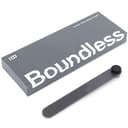
First, the stylus brush. It is the cheapest item that affects every single play. Debris on the tip sits between the diamond and the groove, and the symptom is a record that sounds dull or sibilant for no apparent reason. Our guide to cleaning a stylus takes under two minutes and the direction you brush matters more than the brush.
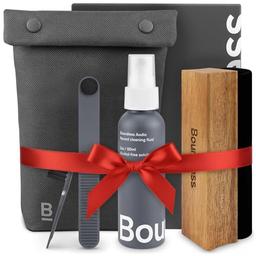
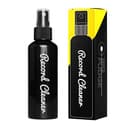
Second, the cleaning kit. Dry-brushing before each side is the single best habit in record ownership; a wet clean is for records that arrive dirty. The full method, in order, is in how to clean vinyl records, and the larger kits and machines are on our cleaning kit picks and machine picks.
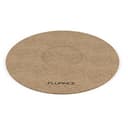
Third, the mat. The felt mat most decks ship with holds static and sticks to records. Cork damps better and does not cling. Ours is the mat roundup’s top pick, and at this price it is the cheapest thing that changes how the deck itself behaves rather than how the record is prepared.
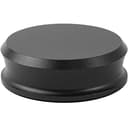
Fourth, the weight— and only if you have records that need it. A record weight flattens a mildly dished pressing against the platter and adds mass at the spindle. It does nothing for a flat record, which is why it is fourth rather than first. The weight and clamp roundup covers when a clamp is the better answer.
What $25 does not buy
Three honest limits. It does not buy deep cleaning: brushes and fluid work on the surface, and the groove bottom a stylus actually rides needs a machine — see the HumminGuru HG01 review for what that costs and who should skip it. It does not buy better sound from a worn stylus: a tip with its hours on it is replaced, not cleaned, and how often to replace a stylus has the arithmetic. And it does not buy isolation: footfall and feedback are a different problem with its own roundup, where the entry price is higher than this page allows.
What it does buy is the difference between a collection that degrades and one that does not. Dust under a stylus is abrasive, and every play with it there is permanent. That is the whole argument for spending $20 before spending $200.
Doubling the budget to fifty dollars does not buy a better brush — it buys the other jobs. Sleeves, a platter mat, isolation feet and a digital stylus force gauge all fit under that ceiling, and our best turntable accessories under $50 page lays them out one per job, in the order a new deck benefits from them.