How these were ranked
- Does it protect the label?This is the first question for any wet method and it is not optional: soaking a paper label is how an original pressing loses most of its value. The Spin-Clean is designed to keep labels dry and so are the two bath alternatives here — both publish a clamp. The Library of Congress’ own care guidance is the reference for why wet cleaning needs to be deliberate rather than casual.
- Does it remove the dirt, or move it? The real division in this category is extraction. A bath washer suspends contamination in fluid and then you wipe the record; a vacuum machine pulls the fluid and everything in it back out of the groove, and an ultrasonic machine agitates the groove first and then dries. Two picks here extract and three do not, and that difference costs more than any other row on the page.
- Which record sizes are published.Spin-Clean’s own retail listing names 7-inch and 12-inch records; both bath alternatives here publish support for 7, 10 and 12 inch. If you own 10-inch records — a lot of jazz and early pressings are — that row is the whole decision.
- What it costs to keep using. A bath washer needs fluid and distilled water, and its brushes are consumables. A vacuum machine needs fluid and replacement lips. An ultrasonic machine needs distilled water and a filter. None of these is a one-time purchase, which is worth knowing before the cheapest option looks like the cheapest option.
- Live and in stock, checked the day this page was written. Every pick was confirmed as a live, purchasable listing before it was written about, and prices render from the live price feed with their own as-of stamp rather than from a number typed into this page.
- No claims about results we did not measure.We own none of these machines. Where this page ranks one above another it is on published mechanism — what the thing does to a record — not on a cleaning test we did not run.
Match the alternative to your reason
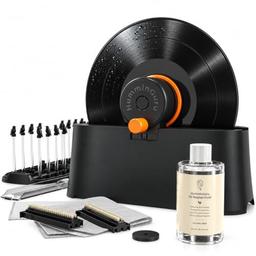
You like the method and want it done better.The HumminGuru EZ is the same manual bath with the two upgrades that matter: a watertight clamp that presses straight down on the label, and goat-hair brushes soft enough to work a groove without scouring it. It publishes 7, 10 and 12 inch support with a 45 RPM adapter, a drying rack, and dual drain outlets so emptying the bath is not a two-handed operation. It is still manual, and it still has no extraction — those are the Spin-Clean’s limits and the EZ shares them.
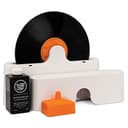
You want a bath for less. The Vinyl Styl Deep Groove is a self-contained bath system with a label clamp that handles 7, 10 and 12 inch records, and it generally sits below the Spin-Clean on price. It is the honest answer for anyone who wants the method rather than an upgrade: it is slow, it takes real shelf space, and that is the deal. Our record cleaning machine roundup ranks it against the powered field.
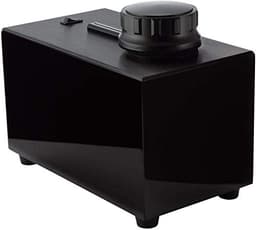
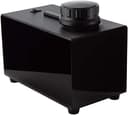
The wiping-it-dry step is what bothers you.Then you want extraction, and the Record Doctor VI is the cheapest real route to it: you apply fluid and brush by hand exactly as you would with a bath, and then a vacuum motor pulls the fluid — and the dirt suspended in it — back out of the groove. Records come off dry and ready to play. Two honest cons: only the extraction is powered, so the labor is unchanged, and vacuum motors are loud. It is also several times the price of a Spin-Clean, which is the real reason most people stay with a bath.
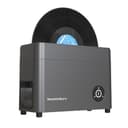
You have a large or badly stored collection.The HumminGuru HG01 is the ultrasonic option: its listing publishes 40 kHz, 12-inch capacity, auto drying and a water-reuse filter, and HumminGuru’s own page states a 7 to 15 minute cycle that cleans and dries without you touching the record. That is a different category of work from brushing one side at a time. It is also the most expensive product on this site, and HumminGuru does not publish the transducer count, separate wash and dry times or the filter specification — so buy it on the mechanism, not on a spec sheet. Our HG01 review covers what is and is not published.
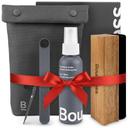
Your records are not actually dirty.This is the most common case and the cheapest answer. A record that has been stored upright in a sleeve and played on a clean stylus needs a dry brush before each side and nothing else, and the Boundless Audio kit covers that whole routine — record brush, stylus brush and fluid — for a fraction of a bath washer. Our cleaning kit roundup compares it with the rest, and cleaning solutions covers the fluid on its own.
The upgrade ladder, in order of what it actually buys you
The honest hierarchy in record cleaning is not price, it is mechanism, and there are only three rungs. A dry brush removes loose surface dust before the stylus can press it into the groove; it costs almost nothing and it is the only step most records ever need. A bath or manual wet clean lifts contamination that is stuck — mold release, smoke residue, fingerprints, decades of garage — and suspends it in fluid. An extracting machine, vacuum or ultrasonic, takes that fluid away rather than leaving you to wipe it.
The jump from rung one to rung two is the one that transforms a secondhand record. The jump from rung two to rung three is smaller in audible terms and much larger in money, and it only pays if you are cleaning in volume or cleaning records whose condition matters. Deciding which rung you are on is the whole purchase, and everything else is brand preference.
One rung that does not exist: a cleaning machine of any kind does not fix groove damage. A record that was played with a worn stylus or a mistracking arm has physical wear, and no fluid recovers it. If records sound noisy after cleaning, check the stylus and the tracking force next — our pages on how often to replace a stylus and how to balance a tonearm cover both, and either is cheaper than any machine here.
Running costs and the distilled-water rule
Every wet method on this page wants distilled water, not tap water. Spin-Clean publishes it for its own concentrate and the rule is the same for the alternatives: tap water carries dissolved minerals that stay in the groove when the water leaves. A gallon of distilled water costs very little and it is the cheapest insurance in this entire category.
Budget for consumables too. Bath washers need fluid and eventually new brushes; the vacuum machine needs fluid and replacement lips; the ultrasonic machine needs distilled water and its filter. None of that is expensive per record, but the headline price of a cleaner is not its total cost, and a cheap washer you refill constantly can end up costing more than a dearer one you do not. Our record care picks under $25 cover the consumable end of the shelf.
Finally, store what you clean properly or you will clean it again. A freshly washed record going back into a scuffed paper inner sleeve picks up exactly what you just removed — our record storage and sleeve picks and storage guide close that loop, and they are the last step of any cleaning purchase rather than a separate one.